

During a UN summit focused on safeguarding the world’s biodiversity, scientists advocate for the protection of fungi, an often overlooked but crucial part of Earth’s diverse species.
Fungi, which outweigh the world’s animals six times over, comprise an estimated 5 million species, serving various ecological roles from edible mushrooms to microscopic organisms vital for ecosystem balance.
Chilean mycologist Giuliana Furci emphasizes the indispensable role fungi play in sustaining life on the planet, underscoring the need to include them in conservation efforts alongside plants and animals.
In response to the lack of fungal conservation initiatives, Furci established the Fungi Foundation in 2012, pioneering efforts to protect these organisms. The Global Fungal Conservation Network, including organizations like Mycosphaera, recently launched the Global Strategy for Fungal Conservation at the COP17 UN conference in Armenia.
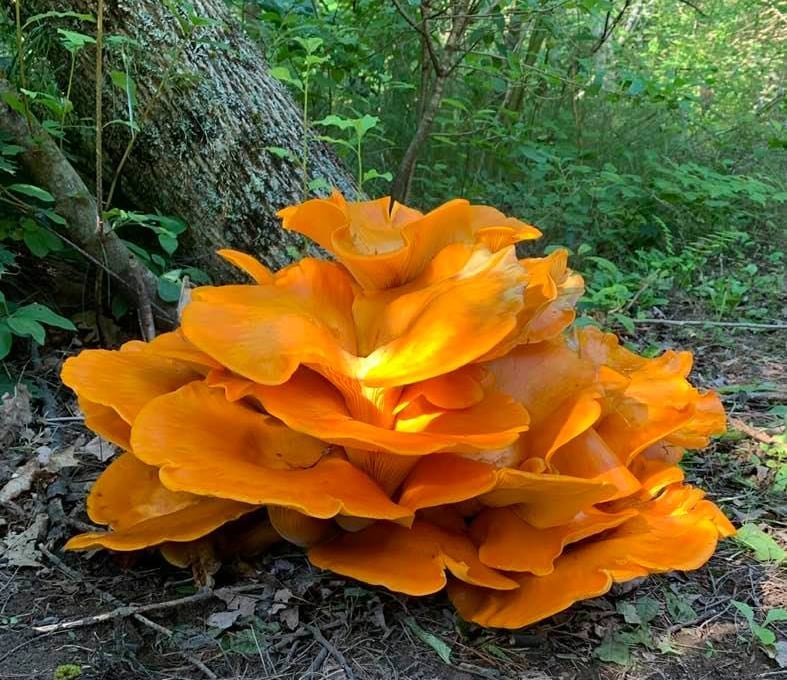
Jack-o’-lantern mushroom in Wolfville, N.S. (Submitted by Allison Walker)
The ongoing UN summit assesses progress on the 2022 Kunming-Montreal Global Biodiversity Framework, aiming to safeguard 30% of the world’s land and marine areas by 2030 and secure funding for biodiversity conservation.
Despite recognizing the importance of fungi in maintaining ecosystems, the current biodiversity agreement does not explicitly address their conservation needs.
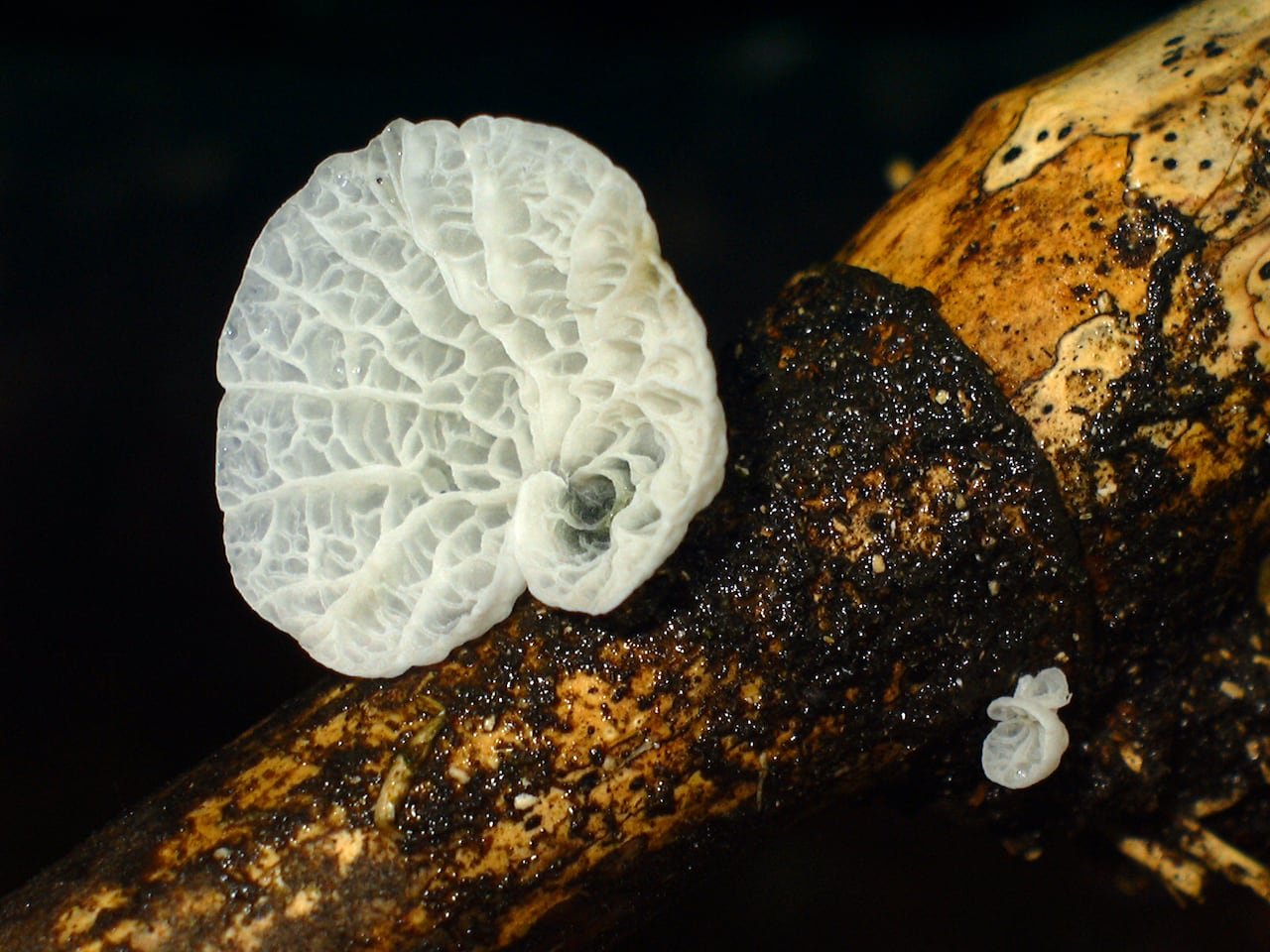
Tetrapyrgos alba. (Carolina Magnasco/Fungi Foundation)
Fungi, designated as a separate kingdom since 1969, are vital for the survival of many plant and animal species, playing crucial roles in maintaining biodiversity, combating climate change, and sustaining life on Earth.
Furci emphasizes the necessity of considering fungi in conservation efforts, highlighting their significant contributions to ecosystem functions and their interconnectedness with other organisms.
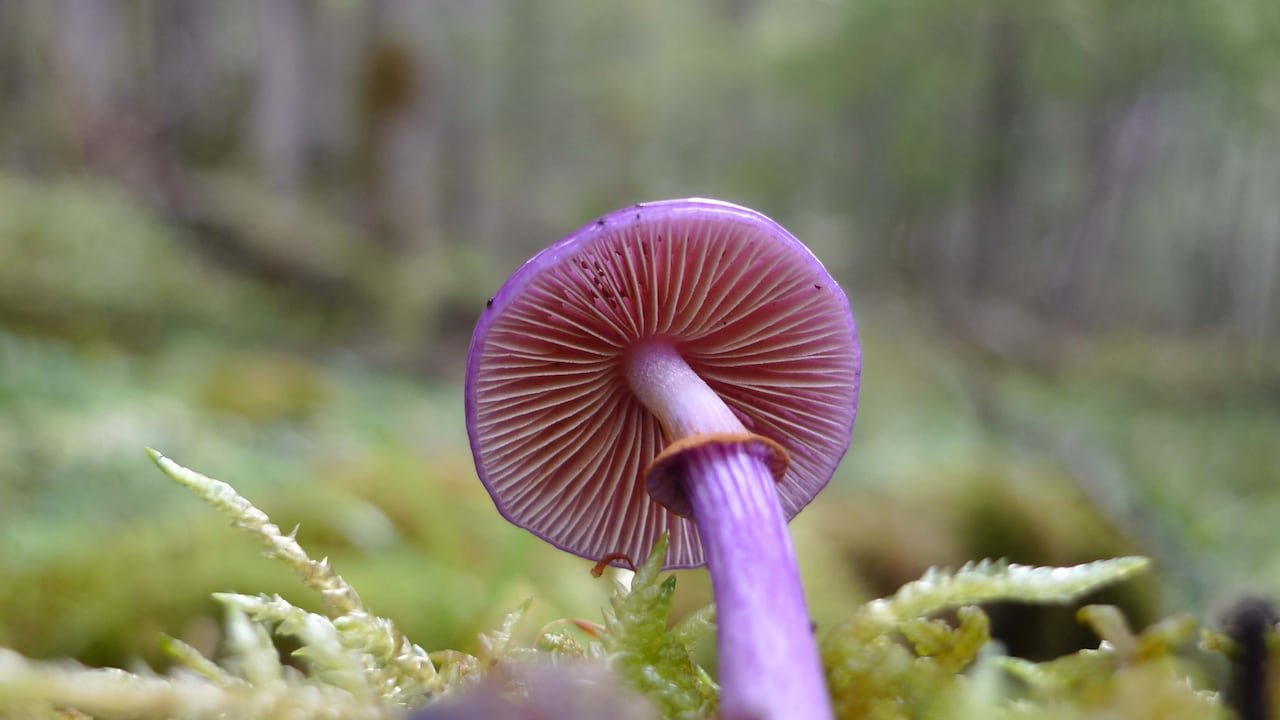
Cortinarius magellanicus, found in South America and New Zealand. (Giuliana Furci/Fungi Foundation)
Many are nameless, uncounted
<p class="