

The renowned birote bread from Guadalajara originated by chance when a Belgian baker attempted to create a baguette in the late 1800s, unaware of how yeast would behave at the city’s high altitude, according to Perla Montes de Oca, a member of the family that established El Pesebre restaurant, which has now become a well-known local chain.
This bread, characterized by its crunchy exterior and soft interior, serves as the basis for El Pesebre’s signature sandwich featuring lightly marinated pork leg, avocado, tomato, onion, thin slices of jalapeño peppers, and a hint of local cream.
“People say that [birote] cannot be duplicated elsewhere,” Montes de Oca remarked. “The yeast’s chemical reaction occurs uniquely in this region.”
The flagship El Pesebre location is situated just northeast of the historic downtown and directly across from the old Jalisco stadium, which was a venue for the 1986 World Cup soccer matches. The restaurant’s walls are adorned with soccer memorabilia.
“For my parents, the World Cup symbolized Brazilians celebrating and dancing samba on the brand-new tables they had just bought,” she shared.
Recently, El Pesebre opened a new outlet at the Akron stadium in Zapopan, part of greater Guadalajara, which is set to host numerous World Cup matches starting in June.
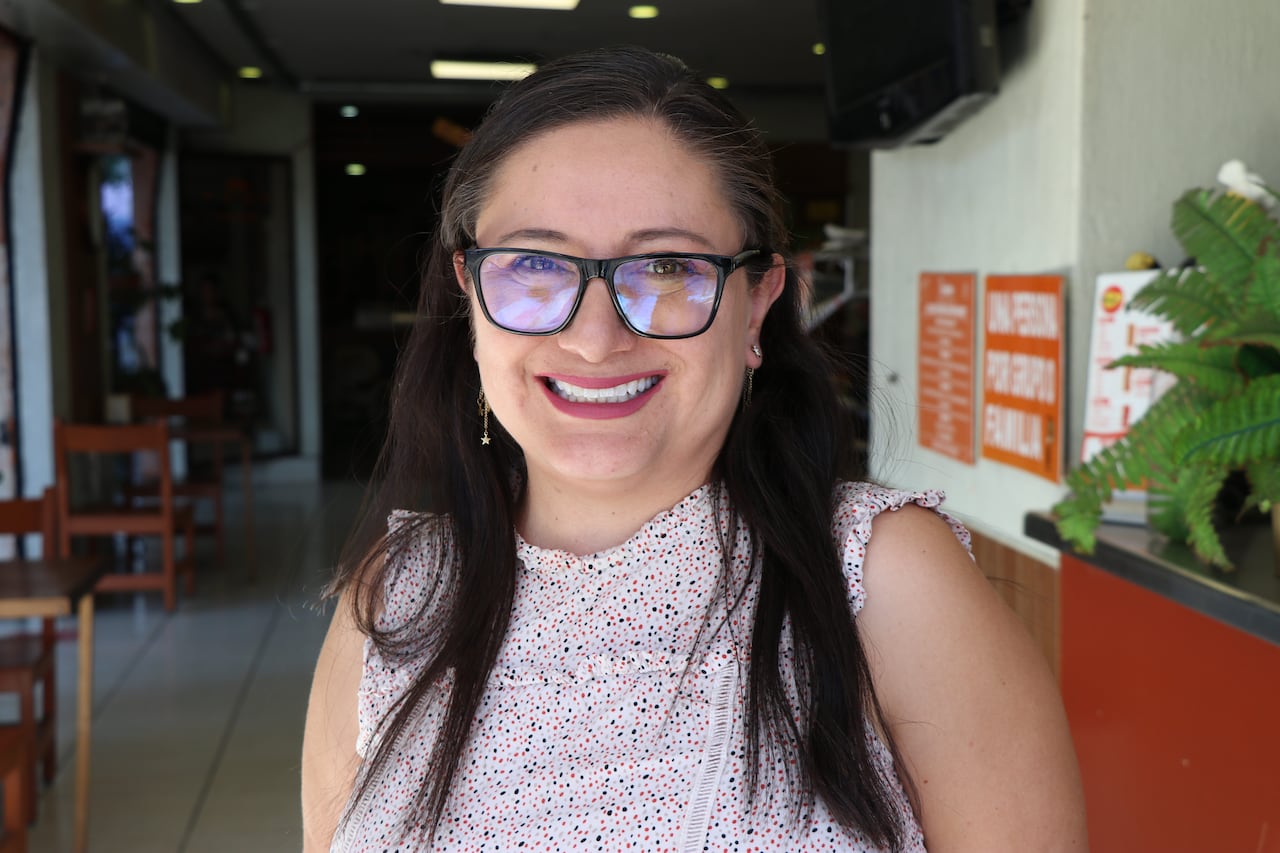
Perla Montes de Oca’s parents founded El Pesebre restaurant, which has a storefront at Guadalajara stadium that will host World Cup matches. (Georgie Smyth/CBC)
Guadalajara, the capital of Jalisco, is known for being the birthplace of tequila and mariachi music, and it is one of three Mexican cities selected to host the FIFA World Cup 2026.
However, preparations in Guadalajara were recently overshadowed by a wave of violence on February 22 that swept through the city, across Jalisco, and erupted in various parts of the nation.
Although the unrest has subsided and officials are optimistic about stability, it serves as a reminder of the two decades of turmoil involving state entities and organized crime groups, which have resulted in thousands of disappearances and human remains found miles from the new stadium.
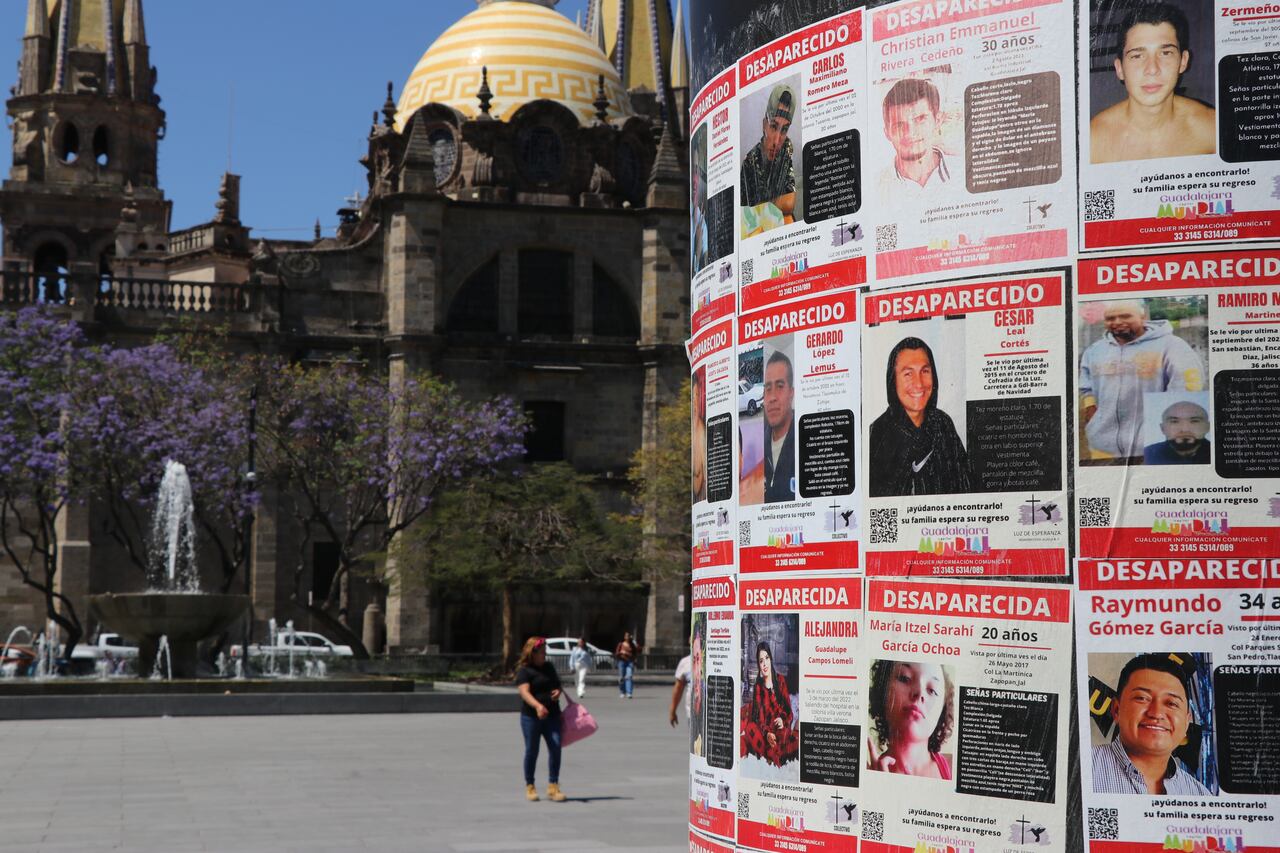
Posters of the disappeared at a plaza in Guadalajara’s historic centre. (Georgie Smyth/CBC)
Lingering Tensions
On February 22, armed individuals set fire to stores and vehicles, blocking roads and highways following the death of Nemesio Oseguera Cervantes, also known as El Mencho, who was killed by Mexican special forces during a focused operation in Jalisco.
Oseguera Cervantes was the leader of a vast criminal paramilitary group known as the Jalisco New Generation Cartel. His burial occurred on Monday in a gold casket surrounded by flatbed trucks filled with flowers at a cemetery in Zapopan.
Currently, plywood boards cover the windows of charred convenience stores, and the wreckage of burned vehicles has been cleared from the streets of Guadalajara. Troops from the Mexican Army and National Guard now regularly patrol the city in convoys of modified pickup trucks and armored vehicles.
Yet, there remains a palpable unease in the city about the potential for violence to resurface.
“I think it’s a shadow that many of us perhaps don’t want to fully acknowledge, but deep down, we know it exists,” Montes de Oca expressed.
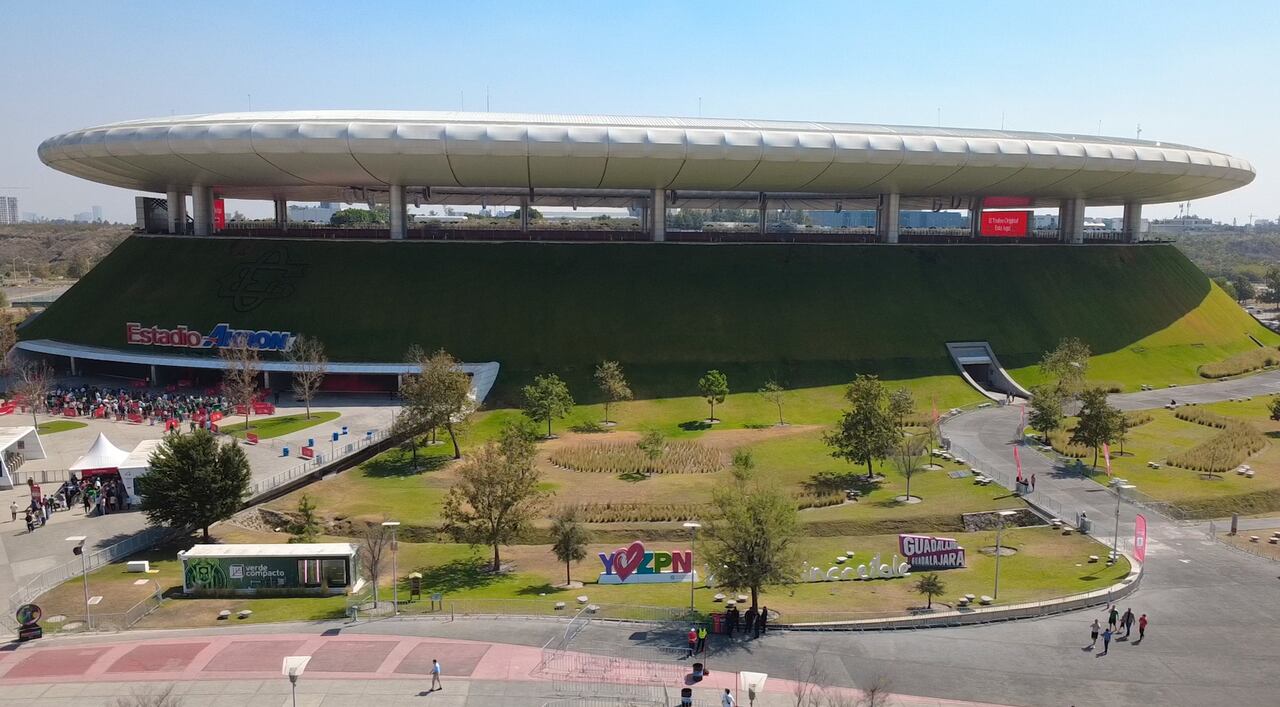
Guadalajara’s Akron stadium, designed to resemble the top of a volcano, will host World Cup matches beginning in June. (Emilio Ochoa/CBC)
Nevertheless, she maintains trust in Mexico’s security forces.
“I believe that every conceivable variable has been taken into account, and that [security forces] are assured and confident that everything will proceed smoothly,” Montes de Oca stated.
Gustavo Staufert, the vice-president of Jalisco’s tourism board, described the February 22 violence as an isolated incident that should not tarnish the reputation of Guadalajara and Jalisco as dangerous places.
“Incidents occur in every country,” Staufert remarked.
-
Ticket prices, political concerns outweigh FIFA World Cup hype for some fans
-
As stability returns to Mexico, here’s what Canadian travellers should know
He assured that Canadians, who account for nearly 11 percent of Jalisco’s tourists, should not have any concerns if they plan to join in the World Cup celebrations.
“There will be festivities all around, and people can rest assured that everything will be secure and just fine,” he assured.
‘Mexico is at Peace’
This message is also echoed by officials at both the state and federal levels in Mexico.
During a high-profile media event at Akron stadium to unveil the golden World Cup trophy, Jalisco Governor Pablo Lemus Navarro commended the Mexican military for their role in securing the state.
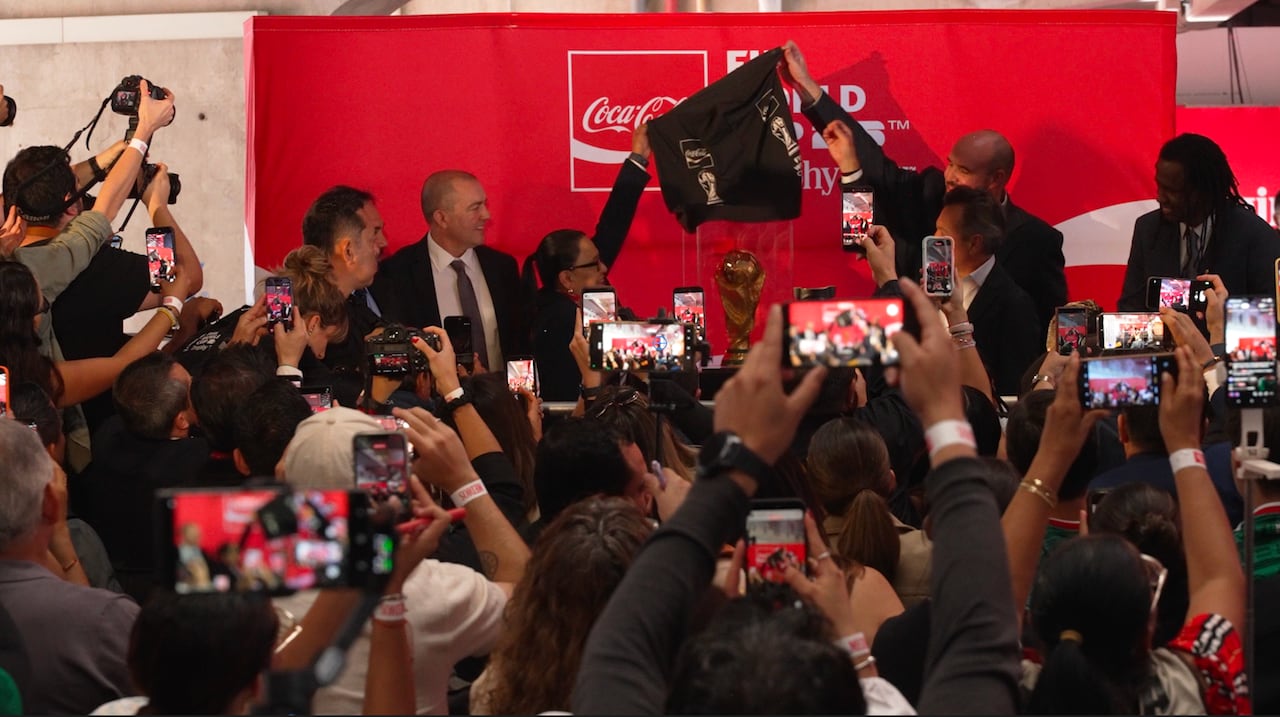
Mexico’s Secretary of the Interior Rosa Icela Rodríguez Velázquez unveils the World Cup trophy during a media event at the Akron stadium on Sunday. (Glen Kugelstadt/CBC )
“My generals, thank you very much. I ask that you stand so Jalisco can show you its respect,” Lemus Navarro stated as applause filled the room.
Rosa Icela Rodríguez Velázquez, Mexico’s Secretary of the Interior, also proclaimed Mexico safe for the World Cup.
“We can confirm that Mexico is at peace. Soccer can be enjoyed in tranquility,” Rodríguez Velázquez added.
The Disappearance Crisis
However, for many residents of Jalisco, true peace remains elusive.
When Héctor Flores González witnessed images of armed individuals in Guadalajara, it took him back to May 18, 2021, the day his only child, 19-year-old Héctor Daniel Flores Fernández, was kidnapped at gunpoint.
“It feels like I’m reliving … what happened to my son once again,” Flores González expressed. “It’s that sensation of uncertainty, of feeling neglected by institutions, that anxiety of existing in a failed state, where nobody matters.”
He holds security camera footage of his son’s abduction on his cellphone, marking the precise moment his son was taken — 6:28 a.m. — by agents from Jalisco’s attorney general’s office, and he has never seen him since.
No charges were ever filed against Flores Fernández, and the state has not provided any explanations or initiated a serious investigation.
Last year, a Mexican court determined that Flores Fernández was forcibly disappeared by agents of the state attorney general’s office and mandated Jalisco to investigate. Flores González reported that the ruling has been ignored.
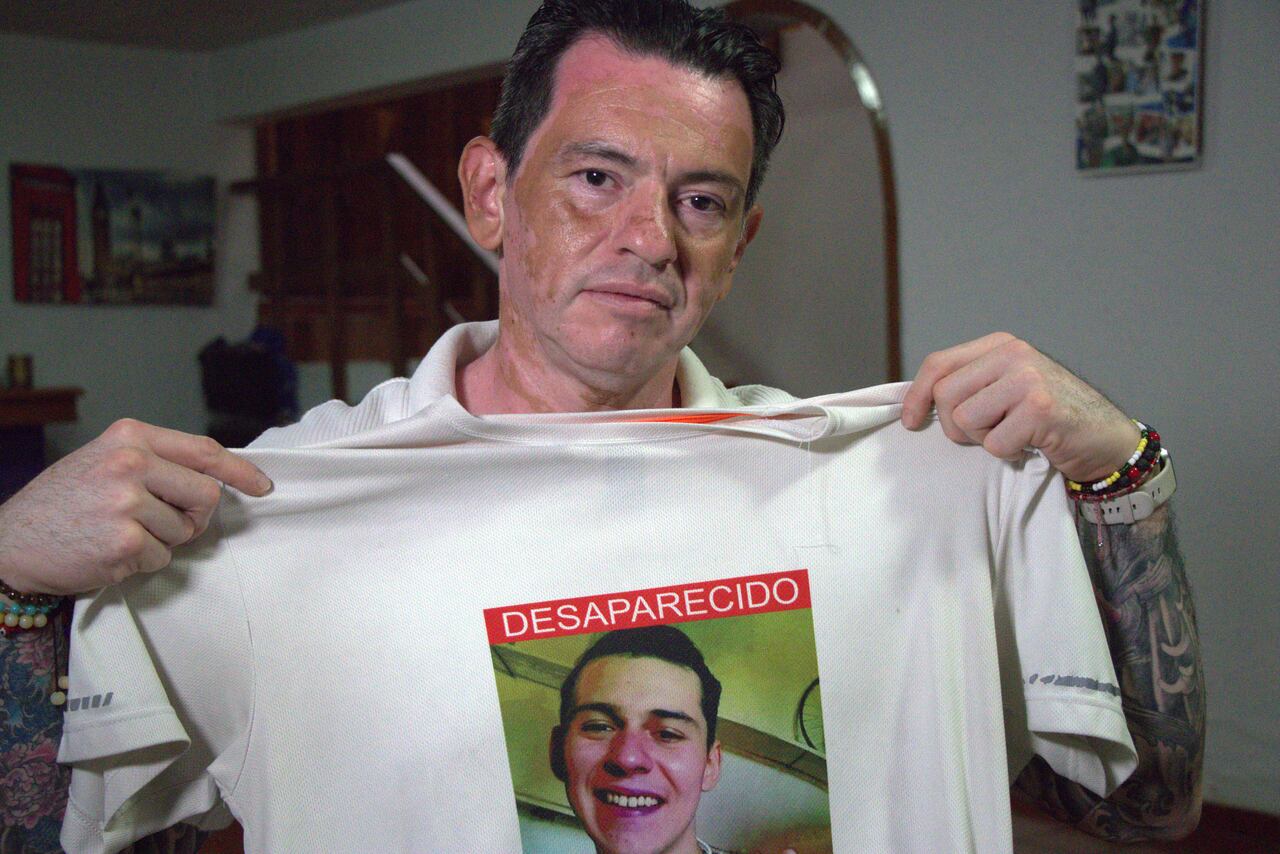
Héctor Flores González holds a shirt featuring the image of his only child, Héctor Daniel Flores Fernández, who was kidnapped at gunpoint in 2021. (Georgie Smyth/CBC )
Flores González continues to search for his son. He leads a group known as a colectivo, called the Light of Hope, which consists of about 500 family members of the approximately 16,000 individuals reported missing in Jalisco, based on state statistics.
Posters displaying the faces of the missing are plastered throughout the city, attached to light poles, walls, parks, and plazas, turning a major central roundabout into a permanent memorial.
These colectivos uncovered at least three locations last year used as dumping sites for bodies within a roughly 20-kilometer radius of Akron stadium. Hundreds of bags containing human remains were retrieved from these sites, and the identification process is ongoing.
According to the national registry, Mexico has over 130,000 individuals reported as missing, placing it alongside countries like Syria and Colombia. Jalisco has the highest number of missing persons. Many are victims of 20 years of conflict between the state and organized crime factions.
“Here in Jalisco, and in Mexico, we cannot distinguish where organized crime ends and the state begins,” Flores González noted.
“The corruption and collusion is appalling.”
Flores González pointed out that while the state has allocated hundreds of millions of pesos to enhance Guadalajara in preparation for the World Cup, it dedicates only tens of millions of pesos annually to the agency responsible for searching for the missing.
“There’s a clear disparity in priorities,” he stated.
Members of the Light of Hope group are organizing to join colectivos from across the country for a march planned in Mexico City on June 11, coinciding with the World Cup’s opening day, according to Flores González.
“The World Cup is significant, undoubtedly,” he acknowledged.
“However, it is not right for the country to mask its memory, to cover up justice, and the truth under the pretense of a sporting event.”