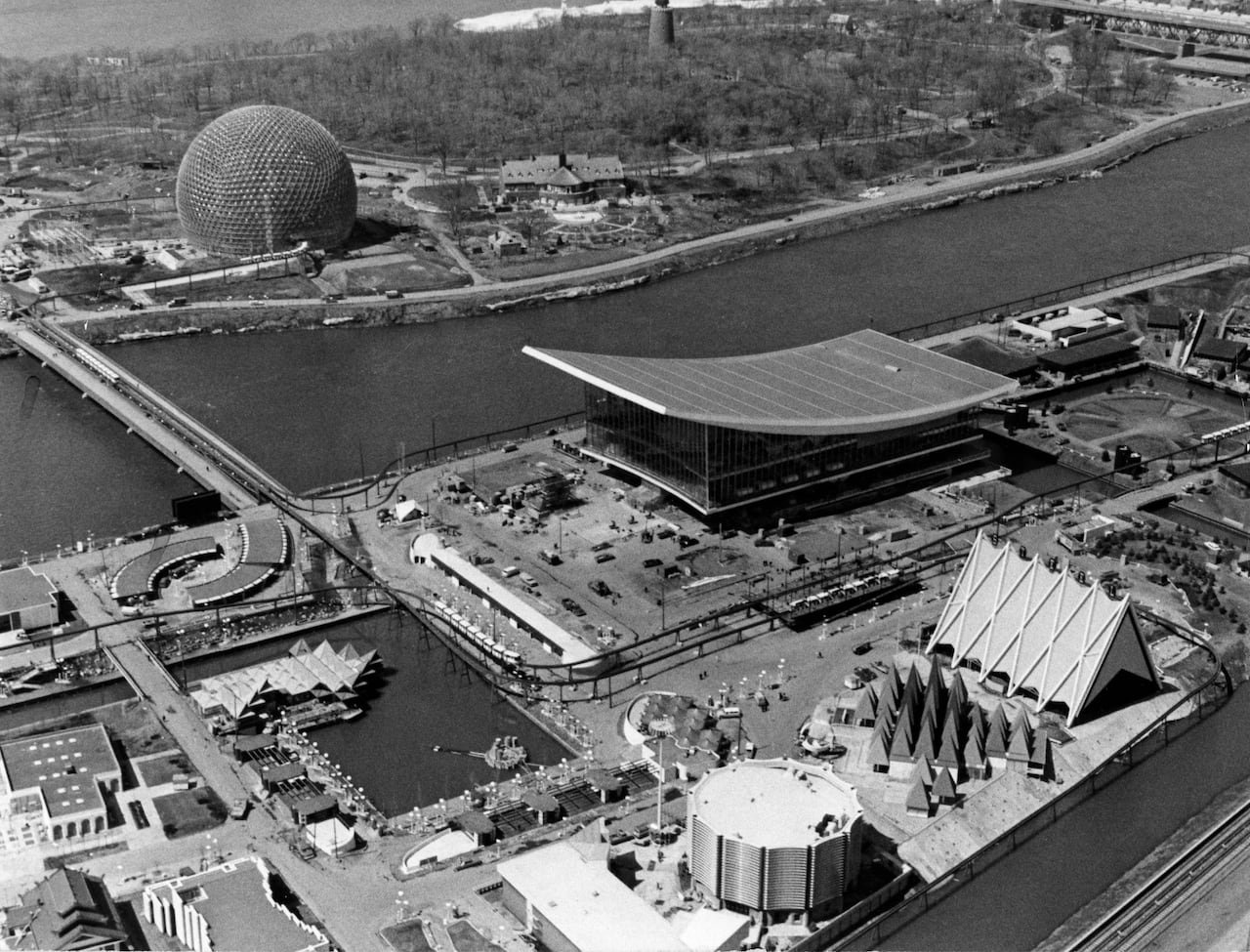
Close to six decades ago, Montreal was the center of attention worldwide as it hosted the 1967 International and Universal Exposition.
Expo 67 marked the peak of Canada’s 100th anniversary celebrations and initiated some of the most significant infrastructure projects ever witnessed in the city.
The event, which attracted 62 nations and showcased nearly 100 thematic pavilions, drew over 50 million visitors during its six-month duration. This world’s fair propelled Montreal onto the global platform and reshaped the city’s landscape.
During that time, the Montreal Star hailed it as “the most remarkable Canadian accomplishment since the completion of the transcontinental railway across this vast land.”
Despite the passage of many years and the disappearance of numerous relics, what elements remain to prevent Expo 67 from fading from our collective memory?
“There’s still a lot,” stated historian Roger La Roche, who specializes in international exhibitions.
“Firstly, the islands themselves. It’s easy to overlook that much of it was constructed from scratch in ’67,” he mentioned.Â
The fairgrounds were erected on two artificial islands in the St. Lawrence River. Île Ste-Hélène was already present but underwent significant enlargement to encompass the adjacent Île Ronde and beyond. Île Notre-Dame, on the other hand, was entirely built in a span of 10 months using sediments dredged from the river, material from nearby quarries, and landfill from the excavation of Montreal’s new Metro system, inaugurated the year before Expo 67 in October 1966.
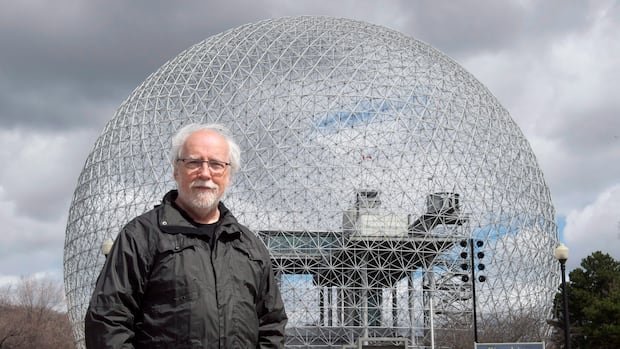
Since the major event propelled Montreal into the international spotlight, the number of symbols and visual reminders from the Expo 67 era has dwindled.
Key Expo 67 landmarks also include Moshe Safdie’s innovative housing complex, Habitat 67, and Buckminster Fuller’s grand geodesic dome. The metal structure initially housed the U.S. Pavilion but now accommodates the Biosphere Environment Museum.
Pavilions and exhibits: Designed for temporary display
According to Monika Kin Gagnon, a retired communications professor at Concordia University, most pavilions and exhibits at the world’s fair were intended to be temporary.Â
“Some vanished immediately,” she remarked, “such as the Soviet Union pavilion, which was disassembled the day after the Expo closed and shipped back to Moscow, where it still stands today.”Â