

Some students start their training at 9 a.m. with stretching exercises and continue well into the evening. “My parents suggested soccer, but dancing just resonated with me,” shared Léo Lussier, reflecting on his passion for ballet.
Lussier commutes from Montreal’s South Shore to the Plateau neighborhood to attend the École supérieure de ballet du Québec (ESBQ). His daily routine involves various classes, rehearsals, and academic studies, totaling 10 to 12 hours within the school premises.
With over 160 students, ESBQ stands out as the sole professional classical ballet institution in North America that provides training in French.
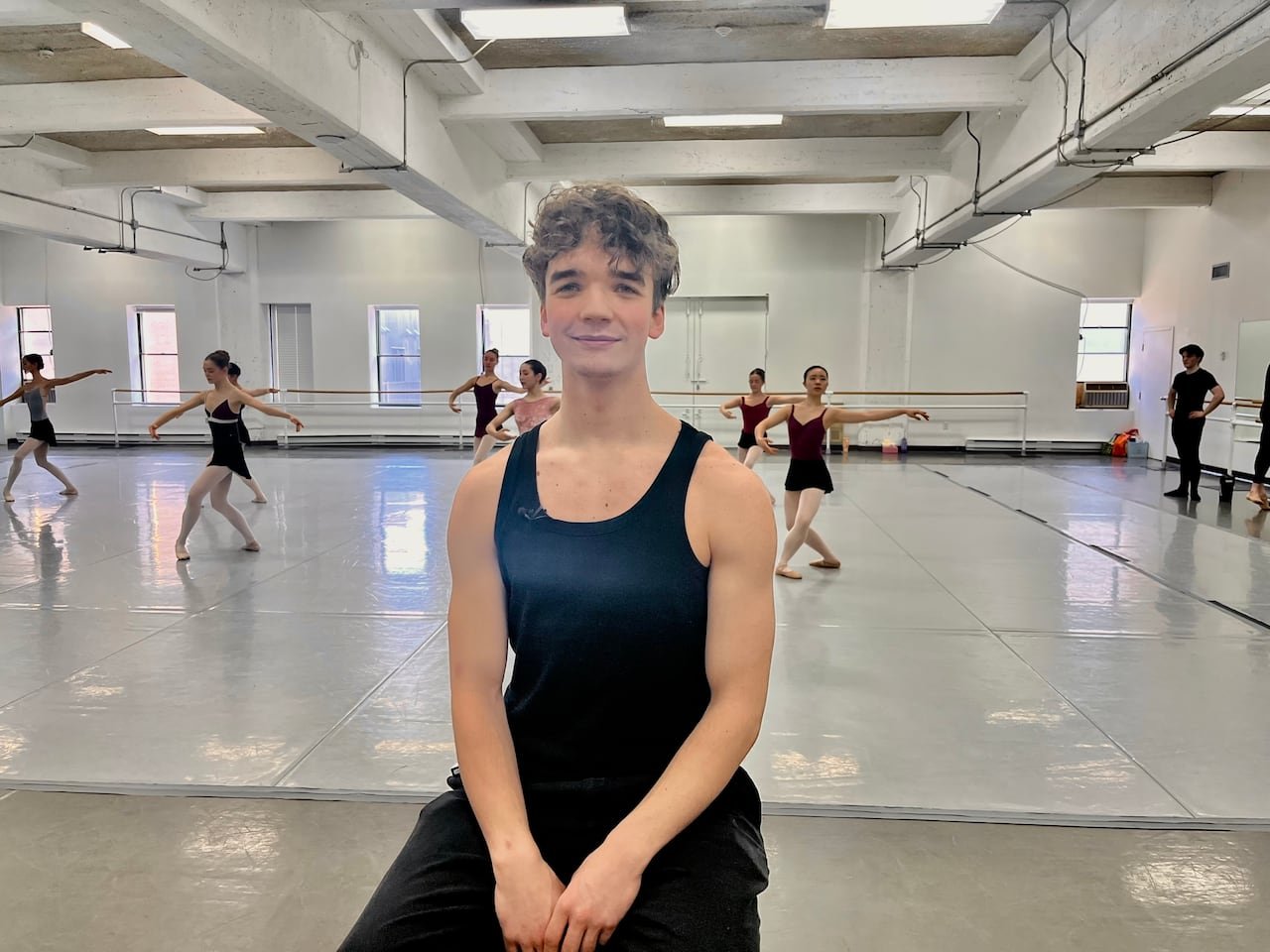
For many students, ESBQ is more than just a school; it’s a second home. “I practically live here, seeing my teachers and peers more than my own family,” expressed Héloïse Léveillé, who dedicates six days a week to her ballet training.
Victoria Villegas Azuaje, a student since 2012, remarked, “I know every corner of this building like the back of my hand.”
This year marks the school’s 60th anniversary, a significant milestone overshadowed by financial concerns, as per school administrators.
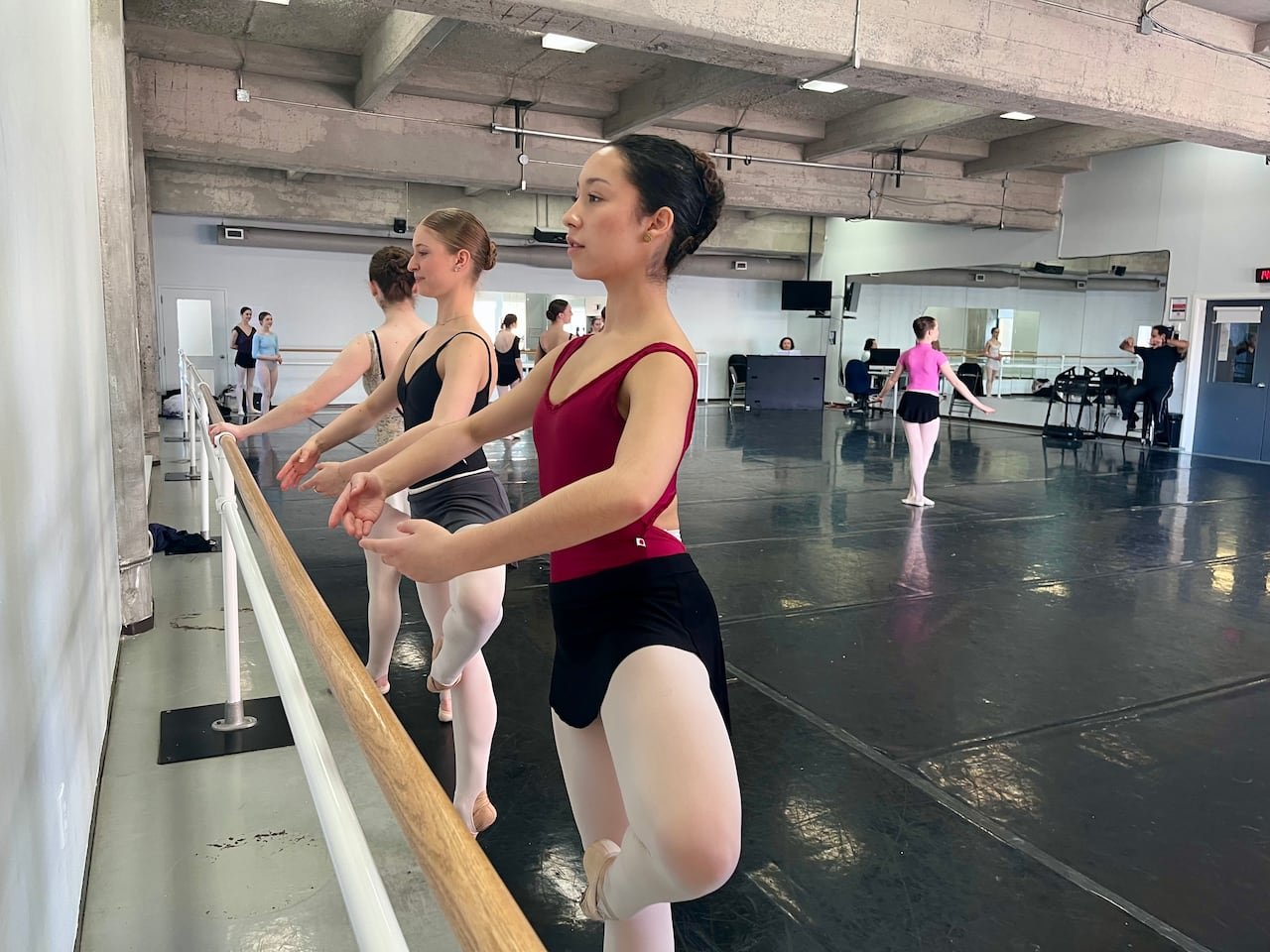
Executive director Alix Laurent highlighted the stagnant government funding over the past three decades. “From $1.3 million in 1994 to $1.4 million today, the financial support has scarcely changed,” Laurent remarked.
To uphold their high-quality training environment, ESBQ is appealing for an additional $1.1 million annually from Quebec, starting next year.
Artistic director Anik Bissonnette, a former principal dancer, emphasized the evolution of ballet training methodologies. “The training approach has significantly changed from my era, incorporating essential elements for dancer development,” Bissonnette noted.
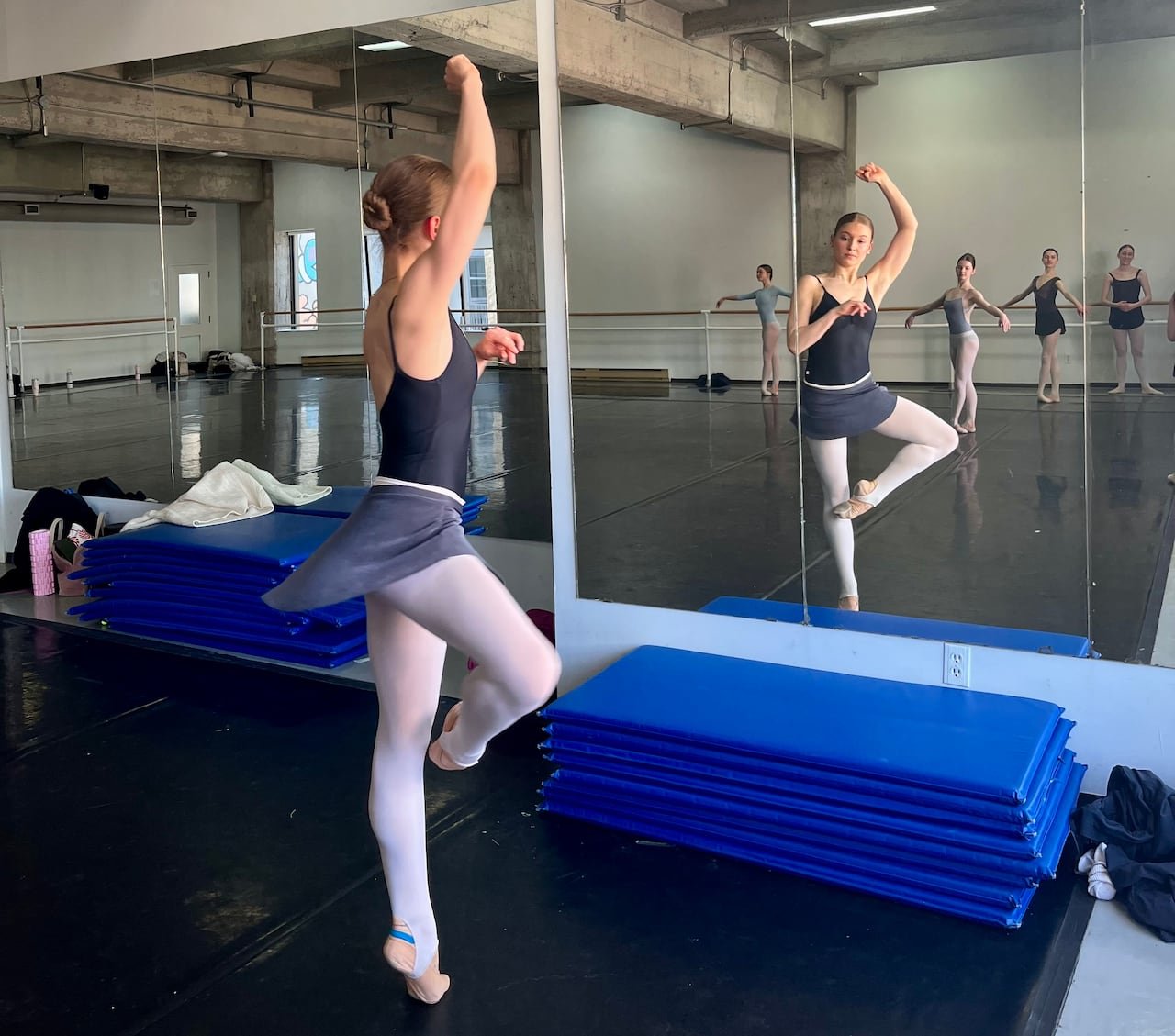
ESBQ offers students not only ballet classes but also physical conditioning, injury prevention, mental preparation, and specialized guidance to nurture holistic development.
“Similar to Olympic athletes, dancers require comprehensive support. Mental training constitutes 70% of