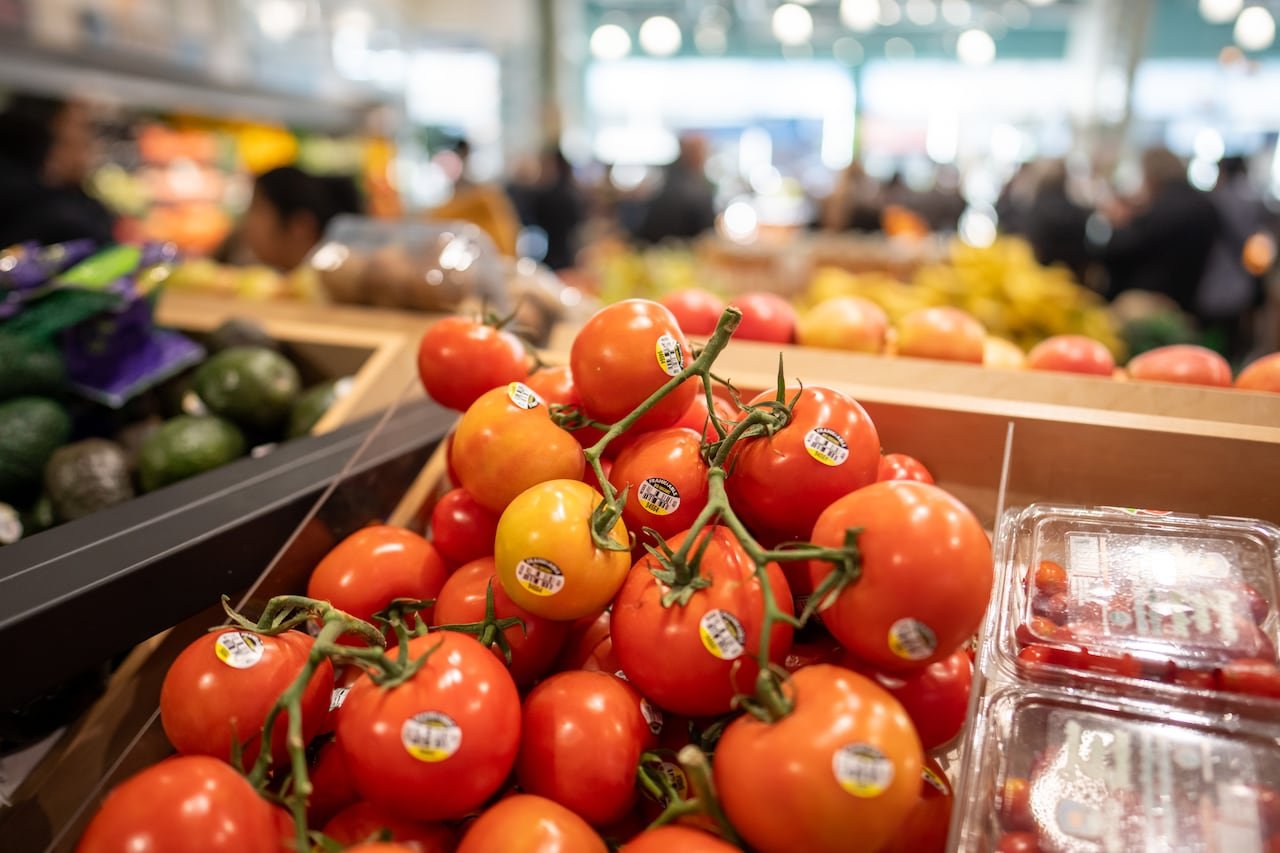
Currently, tomatoes come with a hefty price tag. In May, tomato prices surged by 45.2% compared to the previous year, as per the latest inflation data from Statistics Canada released on Monday. This spike surpasses the usual suspects like coffee and beef in the Consumer Price Index measurement for grocery items. Statistics Canada attributes this increase to supply disruptions in Mexico caused by adverse weather conditions and reduced planting acreage due to U.S. tariffs.
Earlier in April, the U.S. witnessed a 40% rise in tomato prices, with some attributing it to U.S. President Donald Trump’s policies along with crop yield issues. However, with the recent data for May in Canada, it appears that the tomato price surge in Canada has surpassed that of the U.S. In May, U.S. tomato prices dropped by 8.5% from April but still showed a 32% increase year-over-year.
Similar issues persist in Canada, such as yield challenges in Mexico, tariffs, and transportation expenses, affecting tomato prices. Michael von Massow, a food agriculture professor at the University of Guelph in Ontario, highlighted these ongoing concerns.
As summer approaches, Canadians typically increase their demand for tomatoes, adding them to salads and barbeque dishes. Von Massow mentioned that consumer habits may need to adapt as tomato prices remain high, possibly leading to fewer tomato-based dishes like burgers and salads.
Causes of Tomato Price Surge
Tomato prices have been impacted by various factors, including adverse weather conditions, tariffs, and supply chain disruptions. The freeze in Florida and rainfall in Mexico have led to decreased tomato yields, affecting Canada’s tomato supply. While U.S. tariffs on Mexican tomatoes did not directly affect Canadian prices, reduced plantings by Mexican growers as a response to the tariffs further strained the tomato supply chain.
Additionally, rising costs of diesel and fertilizers due to geopolitical tensions, such as the conflict in Iran, have also played a role in pushing up tomato prices. Transportation expenses have a significant impact on fresh produce prices due to their perishable nature.
Statistics Canada reported that in April, the average price of fresh tomatoes was $6.18 per kilogram, showing a $1.49 increase from the previous year. By June 21, the average price in Canadian grocery stores slightly decreased to around $6.61 per kilogram, indicating a potential stabilization in tomato prices.
Despite the recent drop in prices, Sylvain Charlebois, the director of Dalhousie University’s Agri-Food Analytics Lab in Halifax, believes that the worst may be over for tomato prices. However, prices remain elevated compared to previous years.
Consumers seeking to save on grocery bills are advised to consider seasonal produce options. As Canadian field tomato production is set to begin in the coming weeks, prices are expected to decrease. Von Massow recommends opting for seasonal vegetables like asparagus, strawberries, and radishes as alternatives to tomatoes to mitigate the impact of price hikes.