

Tropical fish sightings in Nova Scotia are increasing, raising concerns about potential impacts on local species in the future, according to scientists.
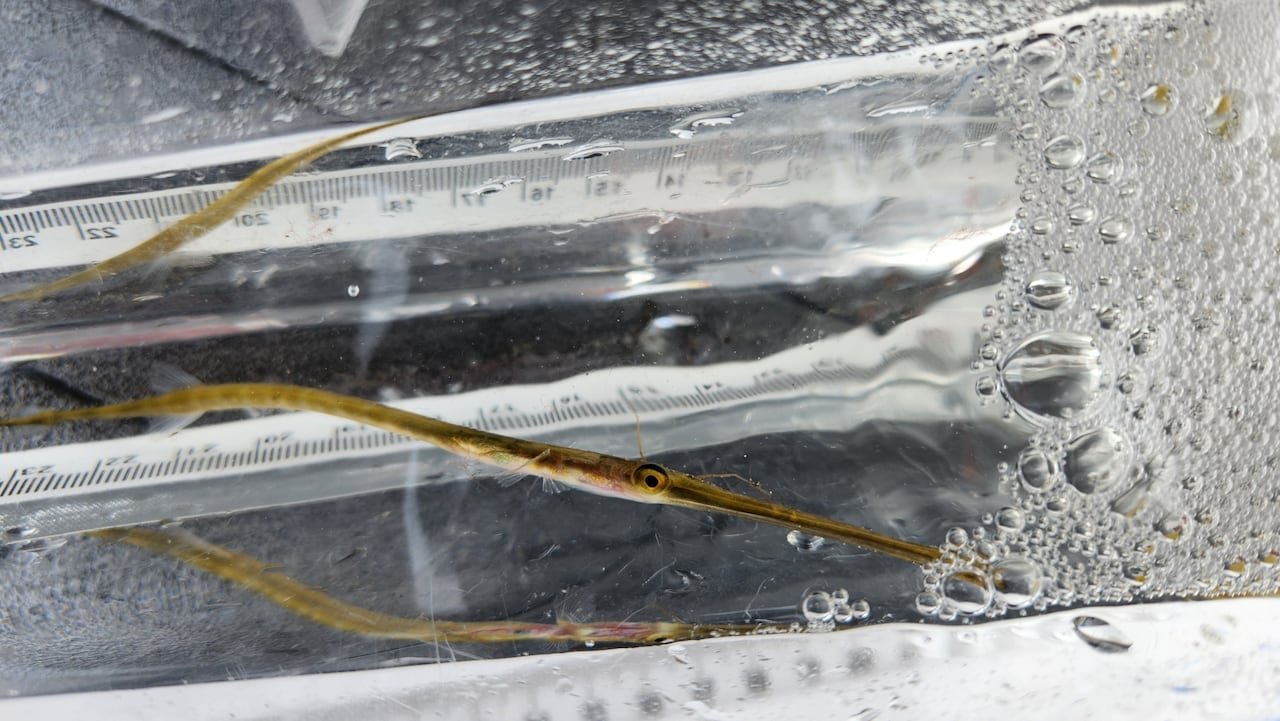
During a recent research expedition near Taylor Head Provincial Park on Nova Scotia’s Eastern Shore, DFO scientists encountered a cornetfish, a species typically found in the Caribbean’s warm waters.
Other tropical fish species, such as the spotfin butterflyfish, have also been discovered during these expeditions.
“While these species are not entirely new, their frequency of appearance seems to be rising,” explained DFO scientist Ryan Stanley.
Boris Worm, a marine biology professor at Dalhousie University, noted that warmer waters moving northward or disturbances like storms often bring small tropical and juvenile fish to the region.
Worm emphasized that the survival of these fish in the colder Nova Scotian winter remains a challenge, but changes in temperature patterns could alter this scenario in the future.
Worm further speculated that some tropical species might actively seek out these regions for food sources, following warm ocean currents.
He also pointed out that the influx of tropical and subtropical species into Atlantic waters could potentially benefit local species by providing additional food sources.
-
Video
#TheMoment a N.S. snorkeller swam with 11 seahorses
-
Ocean floor off N.S. warming twice as much as surface, report finds
According to Worm, a fisherman’s report last summer revealed the presence of menhaden off Nova Scotia, a crucial forage fish supporting various marine predators.
“This could potentially aid in the recovery of larger predators that have faced challenges in the past,” Worm suggested.

Worm clarified that although the cornetfish is not currently classified as an invasive species due to its lack of establishment and ecological impact, its resemblance to the bluespotted cornetfish, an invasive Indo-Pacific species, raises concerns.
“Bluespotted cornetfish are adept at infiltrating dense seagrass habitats and