

The oceans surrounding the Queen Elizabeth Islands and western Tuvaijuittuq in Canada’s High Arctic have long puzzled scientists. These waters, often considered one of the few remaining areas globally with year-round sea ice, have historically been challenging to reach due to the thickness of the ice cover.
However, the melting of sea ice has now enabled a Canadian research icebreaker to navigate through some of these previously inaccessible passages for the first time. David Babb, a research associate at the University of Manitoba’s Centre for Earth Observation Science, noted, “We have observed a reduction in ice, a larger expanse of open water, and increased navigability in the area.”
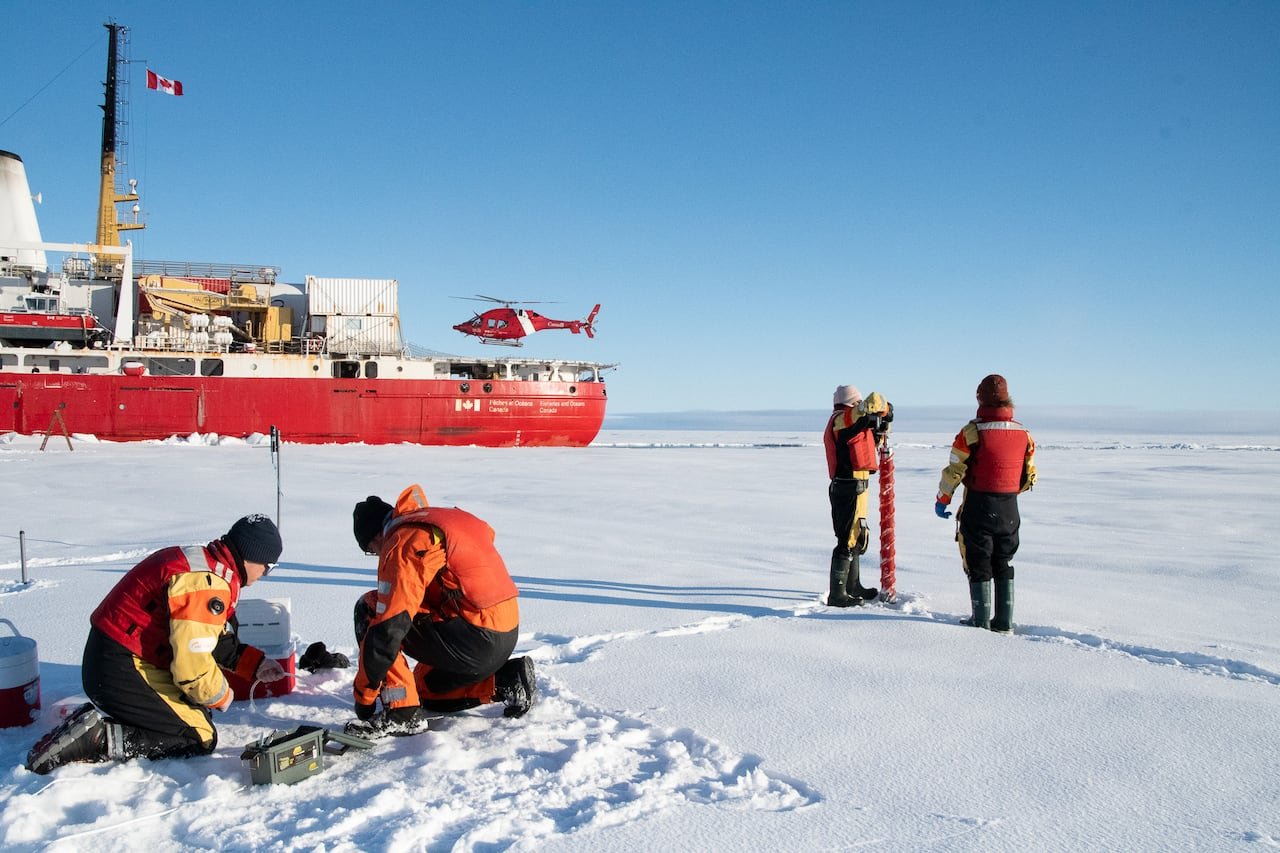
On September 4, a team of scientists from Fisheries and Oceans Canada (DFO) and the University of Manitoba set off on a four-week expedition aboard the CCGS Amundsen to conduct research on Arctic sea ice. According to DFO’s responses to CBC News, this expedition marks the initial comprehensive oceanographic research mission to penetrate this region of the Canadian Archipelago.
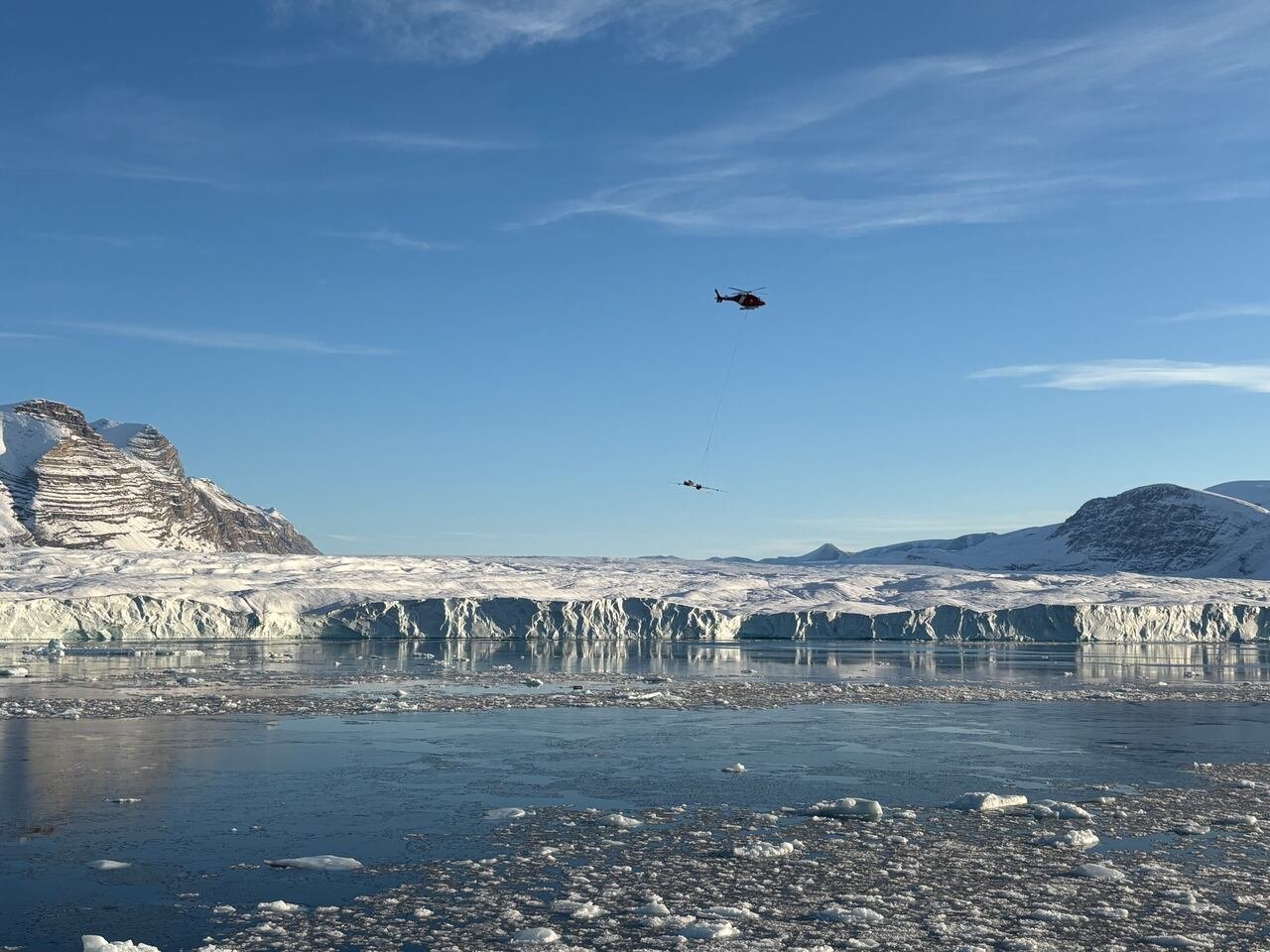
During the expedition, Babb explained the presence of two types of ice: seasonal ice, which typically forms over a single winter and is thinner, leading to open water, and multi-year ice, which thickens over multiple winters. He mentioned a current increase in seasonal ice and a decrease in multi-year ice in the region.
Various studies indicate that the Arctic is warming at a rate four times faster than the global average, with differing projections on the timeline for Arctic sea ice disappearance. Some sources suggest this could occur within the next decade.
The recent successful passage of an icebreaker through one of the last vestiges of sea ice on Earth serves as a stark indicator of the impact of climate change. Simultaneously, it offers a valuable opportunity for researchers like Babb to delve into this relatively unexplored sector of the Arctic.
“This expedition provides us with insights into the current conditions of this area and aids in forecasting future developments,” Babb remarked.
‘Considerable deterioration and substantial melting of sea ice’
While on board the vessel, Babb initially noted the absence of thick ice, fish, and organic matter like tiny phytoplankton in the Arctic waters, particularly in Nansen Sound and Greely Fjord.
The thickest ice they encountered measured around seven meters, although Babb mentioned this was a rare occurrence.
“We encountered significant deterioration and extensive melting of sea ice… Thankfully, we eventually located some thicker ice further south, which was both scientifically and personally reassuring,” he stated.
 </
</