

Iran’s clerical rule is facing one of its most significant challenges since the 1979 Islamic Revolution, according to experts. Nationwide protests erupted in Iran in late December, initially triggered by high prices but quickly evolving into broader anti-government demonstrations against the ruling clerics who have been in power for almost five decades.
Reports indicate that over 2,000 people have died during the unrest, with escalating tensions as the U.S. threatens military action and Iran vows retaliation if attacked. The country is also experiencing internet and phone disruptions, alongside global rallies in solidarity with the protests.
Simultaneously, a large number of pro-government demonstrators have taken to the streets in a display of support against the nationwide anti-government protests challenging Iran’s theocratic regime.
Observers describe the ongoing protests as remarkable, highlighting the determination of ordinary Iranians risking everything for freedom in the face of adversity. The unrest, largely driven by economic struggles, marks a significant shift in the nature of demonstrations in Iran.
Amid the turmoil, questions arise about the potential implications and outcomes of these protests for the Iranian people.
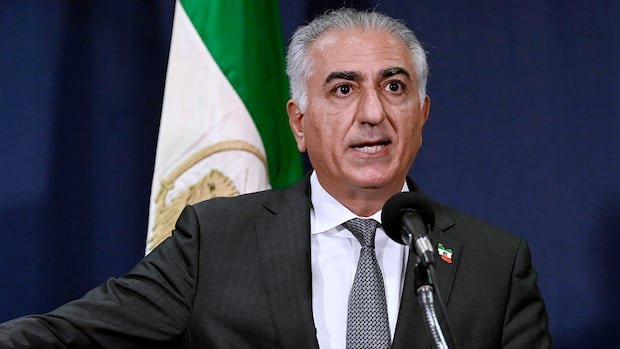
Reza Pahlavi, a prominent figure in the current anti-government protests in Iran, has been living outside the country for five decades. Learn more about his role and the controversies surrounding the exiled prince.
What sparked the protests?
The demonstrations initially stemmed from severe inflation issues, notably triggered by shop closures due to a currency collapse, rendering business operations unfeasible. Escalating prices, particularly affecting essential goods, led to widespread discontent among the population.
Various factors, including the aftermath of a conflict with Israel and economic pressures exacerbated by international sanctions, have contributed to Iran’s economic woes, resulting in a significant devaluation of the national currency.

The economic crisis deepened with the implementation of new pricing policies, straining the population further and sparking widespread discontent that transcended economic grievances.
The protests quickly