

Israeli airstrikes relentlessly targeted Lebanon on Friday, prompting a mass exodus as hundreds of thousands fled their homes in heavily populated areas to find safety elsewhere. Aid organizations have cautioned that the intensifying conflict could result in a humanitarian disaster.
“We are sleeping outside — some in cars, some on the streets, some on the beach,” recounted Jamal Seifeddin, 43, who spent the night in the downtown area of the capital.
“No one even thought to bring a blanket.”
The southern suburbs of Beirut faced renewed Israeli airstrikes on Friday as tensions escalated with the Iranian-backed militia Hezbollah.
Following U.S. and Israeli assaults on Iran that began a week ago, Hezbollah responded on Monday by launching missiles and drones into Israel for the first time in over a year. Israel retaliated with airstrikes on southern Lebanon and the southern suburbs of Beirut.
According to Lebanon’s Health Ministry, at least 217 individuals have lost their lives, with hundreds more reported injured.
Hadi Kaakour, a resident escaping from the southern suburbs of Beirut, expressed doubts about finding safety anywhere.
- Are you a Canadian currently in Lebanon? We want to hear from you. Send an email to ask@cbc.ca.
“We can’t trust [Israel]; they will strike us no matter where we go,” he stated.
Others voiced their discontent at Lebanon being drawn into the conflict.
“We got dragged into a situation that does not involve us,” commented Yousef Nabulsi, another resident fleeing the area.
“People have been displaced and are now living on the streets, and this is unjust.”
On Thursday, Israel’s military instructed Lebanese civilians to evacuate from the southern suburbs of Beirut, including Hezbollah-controlled areas, along with sections of the eastern Bekaa Valley, after previously ordering evacuations in southern Lebanon.
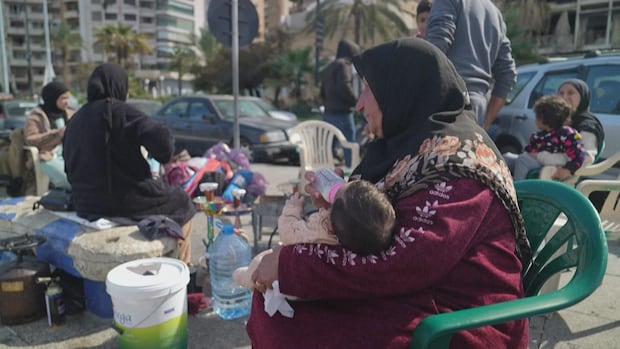
A couple in Beirut describe being forced from their home by Israeli strikes. ‘We had stayed with others, but we knew it would get worse, so we ended up coming here,’ said one displaced resident.
This was Israel’s most extensive evacuation directive against Lebanon to date, resulting in a significant outflow of people from the south before air bombardments reduced buildings to rubble, stripped facades from apartment complexes, and damaged roadways.
“Panic reigns right now,” stated Bachir Ayoub, country director for Oxfam in Lebanon, in an interview with CBC News.
He noted that approximately one-third of the country is currently under evacuation orders, and many individuals attempting to flee on Thursday experienced traffic jams lasting up to six hours.
There is “considerable fatigue” among evacuees, many of whom are experiencing their “second or third displacement within 14 months,” he explained, referencing earlier hostilities between Hezbollah and Israel in 2024.
Lebanon’s Prime Minister Nawaf Salam has appealed to the international community for assistance in halting Israel’s military operations.
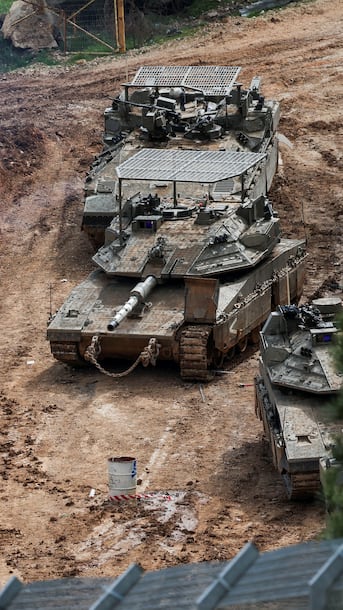
The U.S. and Israel-Iran war has crossed into Lebanon, with airstrikes in the capital of Beirut and Israeli ground forces moving in through the south. The Israel Defence Forces are urging the evacuation of civilians in the regions, as they ramp up bombing against Hezbollah forces, the militant group and Iranian proxy based in Lebanon.
“A humanitarian crisis is on the horizon” due to the extensive displacements, Salam remarked while addressing diplomatic leaders in Beirut on Friday.
Salam condemned both Israel and Hezbollah, asserting that the Lebanese state and its citizens “did not choose this war.”

A displaced resident prepares food, next to a car parked along Beirut’s waterfront, on Friday.
(Joseph Eid/AFP/Getty Images)
Similarly, the charity Save the Children cautioned that the displacement of up to 500,000 individuals in southern Beirut could trigger a humanitarian disaster.
“Forced displacement deprives children of nearly everything that provides them safety: shelter, education, community, and routine,” stated the NGO’s regional director Ahmad Alhendawi in a press release.
“A forced relocation without any assurances of safety or return, and without addressing the needs of the affected population, constitutes a serious violation of international humanitarian law.”
Imran Riza, the UN’s humanitarian coordinator in Lebanon, reported that by Friday, around 100,000 individuals had sought refuge in shelters, though that number is anticipated to surge rapidly due to the “unprecedented” scale of the evacuations.
Meanwhile, Israel’s far-right Finance Minister Bezalel Smotrich warned on Thursday that the southern suburbs of Beirut, where Hezbollah is entrenched, would resemble a city in the Gaza Strip that Israel devastated during its conflict with Hamas.
“You wanted to bring hell upon us, we are bringing hell upon you,” Smotrich declared while touring towns along Israel’s border with Lebanon. “Dahiyeh will look like Khan Younis, and our northern citizens will enjoy peace and tranquility.”
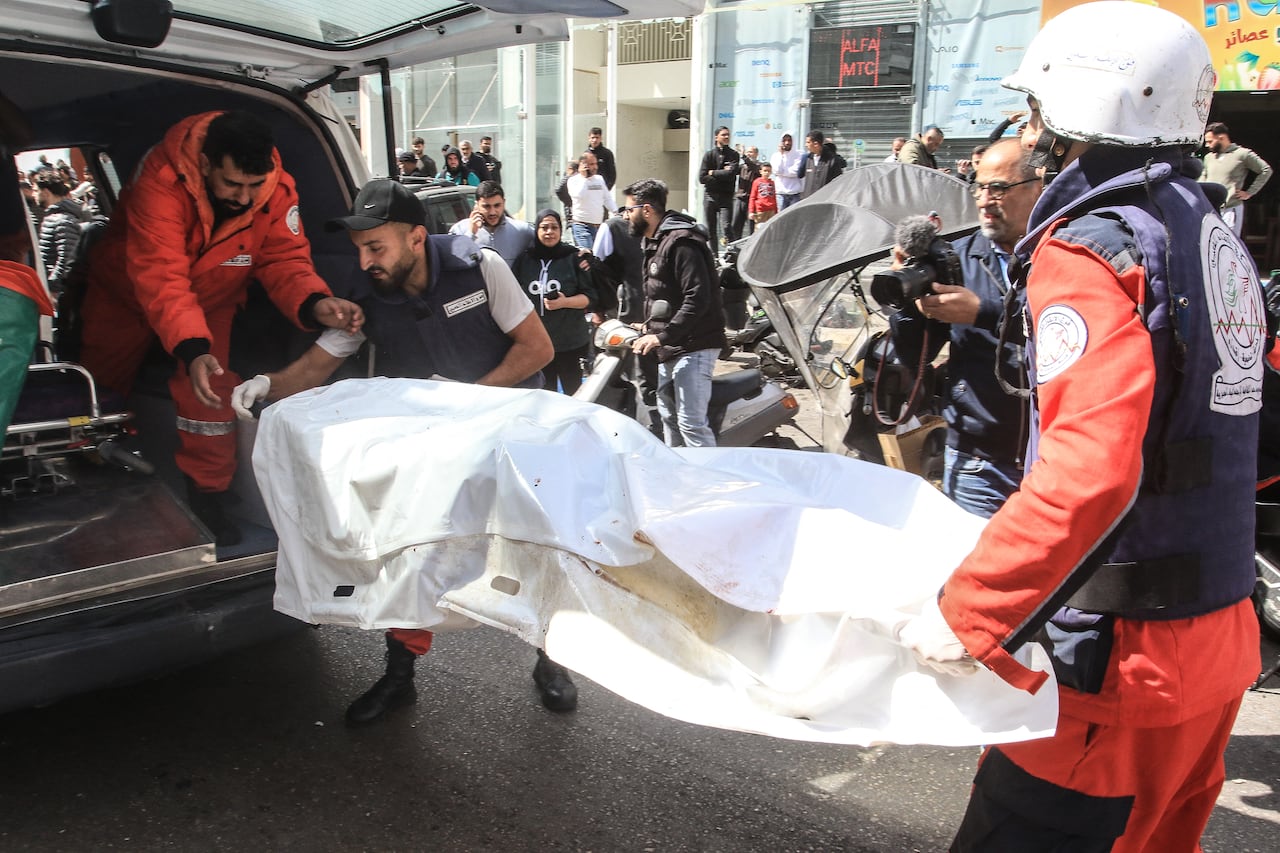
First responders carry a body into an ambulance after a building was struck by an Israeli airstrike in the southern coastal city of Sidon on Friday. (Mahmoud Zayyat/AFP/Getty Images)
Riza from the UN indicated that over a million people were displaced in Lebanon during the 2024 conflict between Hezbollah and Israel, with 75 to 80 percent of them lacking shelter.
“This time, it’s likely that the majority will again be without shelter,” he noted.
The Lebanese military retreated from the border as Israeli forces advanced, while Hezbollah has released several statements announcing assaults on Israeli troops making ground incursions.
Hezbollah, in a message broadcast in Hebrew on its Telegram channel early Friday, warned Israelis to evacuate towns within five kilometers of the border.
-
Tracking deaths in Iran, wider Middle East as conflict rages on
-
Israel sends troops to southern Lebanon, as Hezbollah vows it’s ready for ‘open war’
-
Windsor man says wife is stuck in Lebanon amid widening Iran conflict
“Your military aggression against Lebanese sovereignty and secure civilians, the devastation of civilian infrastructure, and your expulsion campaign will not go unanswered,” the message stated.
No fatalities have been reported in Israel from Hezbollah’s assaults.
During the 2024 conflict between Hezbollah and Israel, tens of thousands of Israelis were evacuated from border towns, though many have since returned. Israeli officials have previously indicated that there are no current plans for large-scale evacuations.
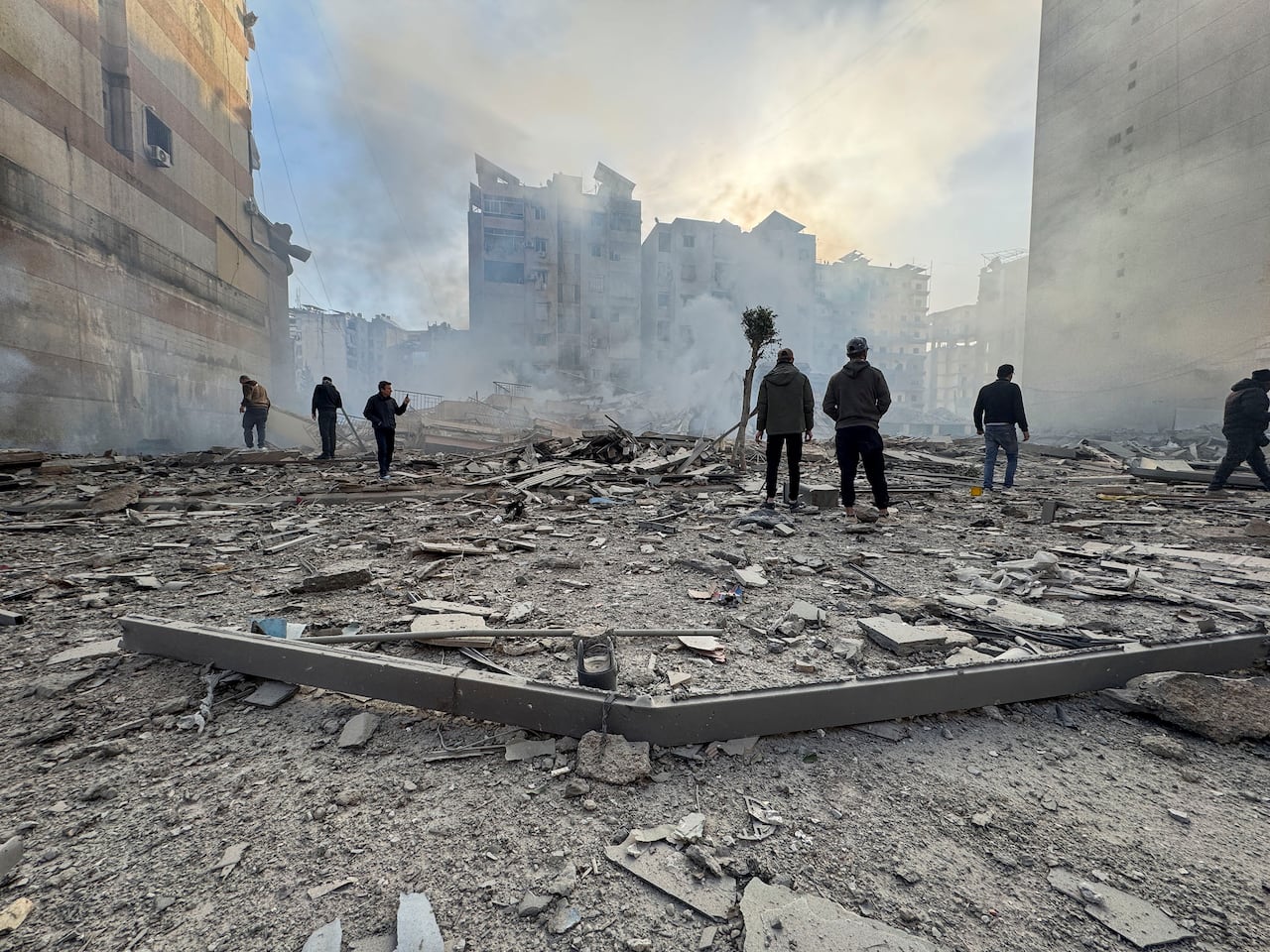
People stand amid the rubble of a damaged building after an Israeli strike on Beirut’s southern suburbs on Friday. (Stringer/Reuters)