In a milestone event, the portraits of Japanese Canadian veterans who served in World War I are now exhibited in Vancouver streets after a century of obscurity.
After over 15 years of meticulous research and outreach efforts, a community historian has unearthed the forgotten tales of these soldiers, aiming to shed light on their valor and advocate for the recognition they have long been owed.
Debbie Jiang, the historian, expressed her sentiment, stating, “These were individuals who dedicated their entire lives, yet they remain unrecognized. I feel a sense of duty to resurrect their identities and narratives that would otherwise be lost to history.”
Jiang lamented the overshadowing of these soldiers’ contributions by a dark period in Canadian history, where Japanese Canadians, including veterans, were unjustly labeled as “enemy aliens” during World War II, leading to their internment, property confiscation, and dispossession.
One individual, Kelly Shibata, shared his experience of discovering his grandfather’s remarkable military legacy through Jiang’s research efforts, highlighting the lack of information previously known about his grandfather’s service.
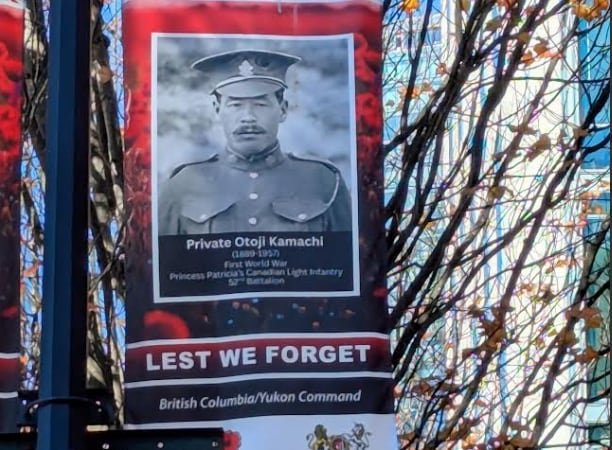
Contrary to the typical young enlistees of that era, the Japanese Canadian soldiers, like Kamachi, were often in their 30s and 40s, some being seasoned veterans already.
Despite facing discrimination and being denied voting rights in the late 19th century, these soldiers traveled to Alberta, the sole province permitting their enlistment, and bravely fought on the battlefronts, driven by a mission to secure voting rights for their community.
Many of these soldiers, including Kamachi, won over their comrades through their valor and combat skills, having previously fought in conflicts like the Russo-Japanese War of 1905.
Kamachi’s military records reveal his service in the 52nd Battalion during the Vimy Ridge offensive and subsequent battles at Hill 70, Ypres, and Passchendaele.
Approximately 200 Japanese Canadians served in World War I, with around a dozen receiving accolades for bravery and over 50 making the ultimate sacrifice.
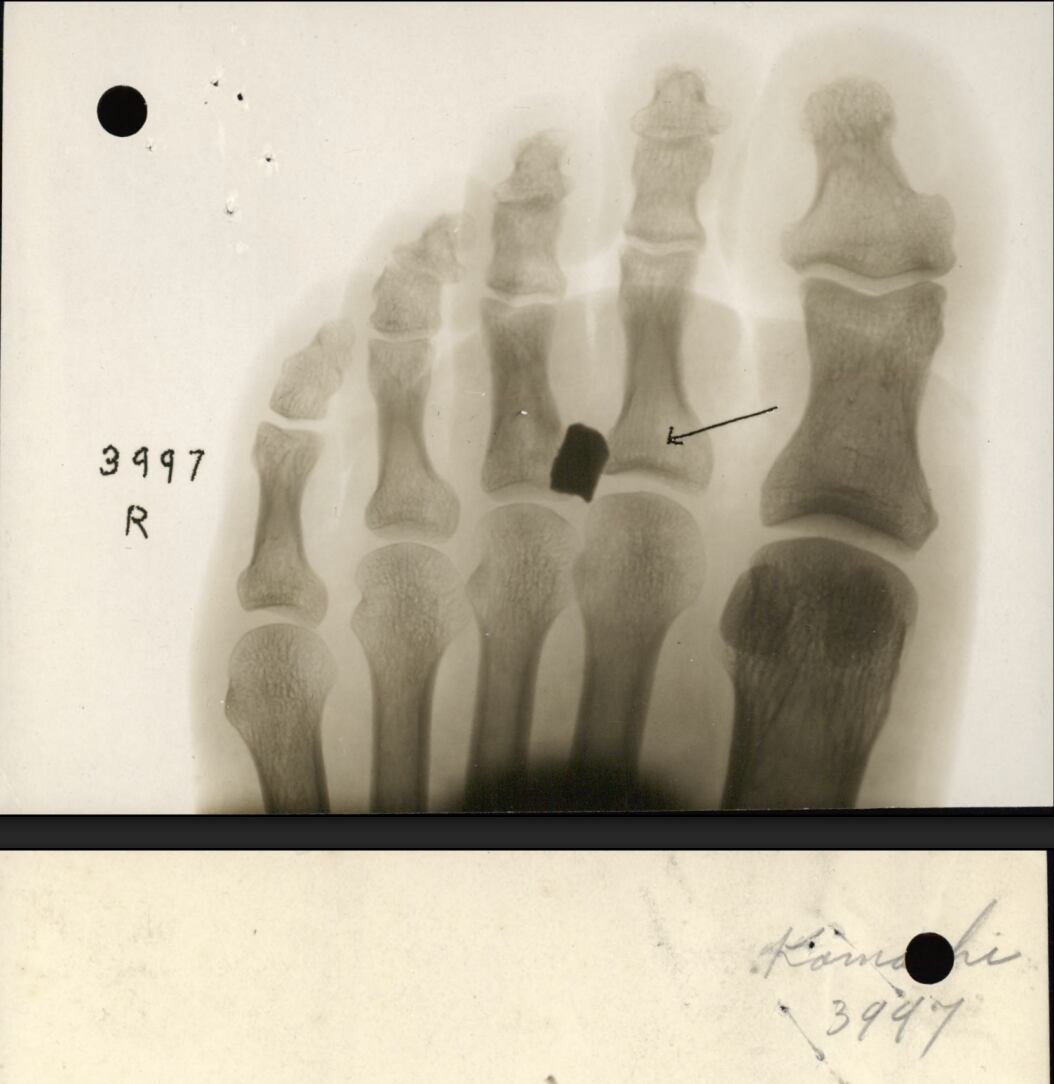
Although Kamachi survived the war, sustaining multiple gunshot wounds and enduring hospitalization, he, like many Japanese Canadians, faced internment during World War II.
Despite his contributions, Kamachi and thousands of Japanese Canadians faced displacement, separation from families, and property seizures during the war.
In the aftermath of World War II, Kamachi, a wounded veteran, rebuilt his life as a farmer, ultimately witnessing Japanese Canadians gaining federal voting rights in 1948.
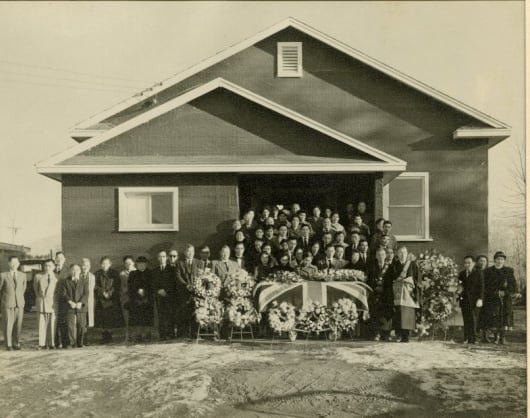
Although Kamachi passed away before a formal apology and compensation were issued in 1988 to Japanese Canadian survivors and their families, his legacy endures, symbolized by the Union Jack-draped casket during his funeral.