

Proposed changes to Ontario’s Coroners Act, which may eliminate mandatory inquests into jail deaths, are raising concerns among families affected by such tragedies. One such case is that of Amanda Bolt, 28, who passed away after collapsing in a holding cell at London Police Headquarters. She had been arrested twice on Nov. 2, 2019, and suffered a heart attack while in custody, leading to a fatal brain injury.
Following a recent week-long coroner’s inquest that concluded on Dec. 5, 2025, a jury attributed Amanda’s death to the heart attack she experienced in her cell. The jury issued 10 recommendations to London police to prevent similar incidents in the future.
Reflecting on the inquest, Amanda’s brother, Chris Bolt, expressed a mix of closure and concern. While he found personal closure in the process, he remains worried about the potential recurrence of similar accidents in the future.

The Ontario Ministry of the Solicitor General is currently reviewing feedback on the potential amendment to the Coroners Act, which could replace compulsory inquests with annual reviews led by coroners. According to Solicitor General spokesperson Saddam Khussain, this shift aims to expedite the delivery of recommendations to prevent future deaths.
Notably, the current Coroners Act mandates investigations into deaths in Ontario correctional facilities suspected to result from non-natural causes. These investigations, carried out by a jury, focus on determining the circumstances and causes of death, alongside developing preventive recommendations.
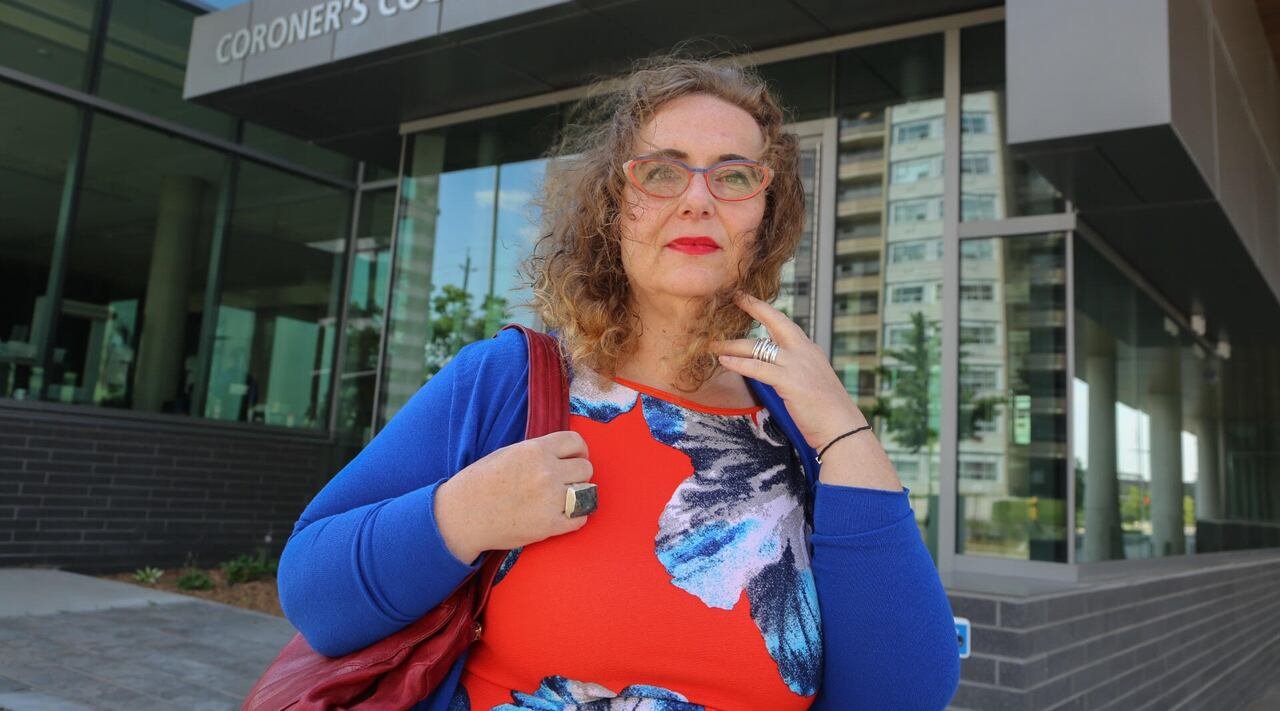
However, legal expert Anita Szigeti noted the lengthy delays in the current inquest process, with cases taking five to seven years to commence post-death. This prolonged timeline can exacerbate the emotional toll on families like the Bolts, who had to wait five years before Amanda’s inquest began.
The proposed amendment suggests replacing juries with an advisory committee to review cases from the previous year and formulate recommendations. Chris Bolt expressed concerns over this approach, fearing it would dehumanize the victims into mere statistics, diminishing the empathy in the process.
Advocating for Systemic Improvements
While some stakeholders support transitioning to annual reviews, others, like Szigeti, advocate for integrating these reviews into the existing inquest framework. Enhancing the current system and ensuring the implementation of recommendations are critical aspects for families like the Bolts.
Chris Bolt emphasized the importance of maximizing the potential of inquests to drive positive change and enhance transparency within law enforcement processes. Sharing information that could prevent future tragedies is crucial, provided it is effectively utilized to benefit individuals within the system.