

In this two-part series, we delve into the impact of climate change on winter sports. To read part one, click here.
Marion Thénault, a freestyle skier, has witnessed firsthand the effects of climate change on her sport. While she cherishes the snowy landscapes that enable her jumps and tricks, she has also encountered the stark reality of green mountains devoid of natural snow, relying instead on artificial snow for competitions.
Thénault emphasized how melting snow alters an aerial skier’s performance, affecting takeoff and speed. She explained the challenges of adjusting to varying speeds caused by the use of dry ice, highlighting the potential risks associated with inconsistent conditions.
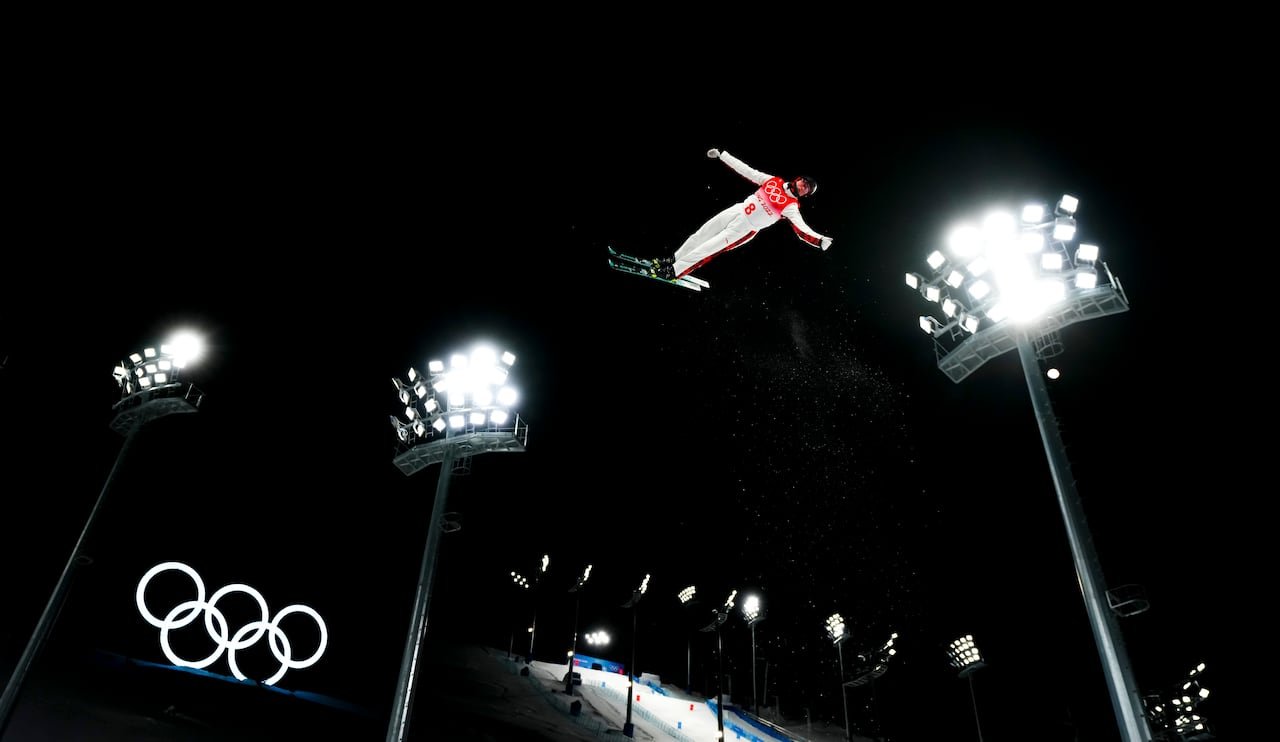
A study commissioned by the International Olympic Committee in 2024 revealed a shrinking number of suitable locations to host Winter Olympic Games due to climate change. This poses a significant threat to winter sports, prompting athletes like Thénault to advocate for environmental action.
Thénault, determined to make her Olympic journey carbon neutral, has joined forces with climate advocacy groups and signed letters urging government officials to prioritize climate initiatives. The urgency to combat climate change is echoed by over 400 Olympians demanding stronger environmental commitments from the IOC.
Proposed Changes for Winter Olympics
The International Olympic Committee aims to reduce its emissions by 50% by 2030, aligning with the Paris Agreement. With a focus on sustainability, IOC presidential candidates are exploring innovative solutions, such as rotating the Winter Games among a limited number of permanent venues.
Johan Eliasch, a proponent of this concept, stresses the importance of preserving the environment and emphasizes the need for immediate action to safeguard future sports events.

Although the IOC has made strides in promoting sustainability, athletes like Adam van Koeverden stress the need for bolder climate action. As Secretary of Sport in Canada, van Koeverden champions environmental causes, emphasizing the immediate impact of climate change on sports and communities.
Thénault echoes these sentiments, emphasizing the pressing need for environmental action and urging policymakers to prioritize climate initiatives on a global scale.