

As we enter 2026, a new concern arises as frigid temperatures grip Canada and northern regions of the United States, plunging below –20 C and even reaching below –40 C with wind chill in some areas.
Driven by a disruption in the polar vortex, Arctic air has swept southward, affecting regions from Canada to the U.S., prompting fears of extreme cold.
Social media speculation about trees exploding in several states due to the cold has circulated online, creating alarm among residents in states like North and South Dakota, Michigan, and others.
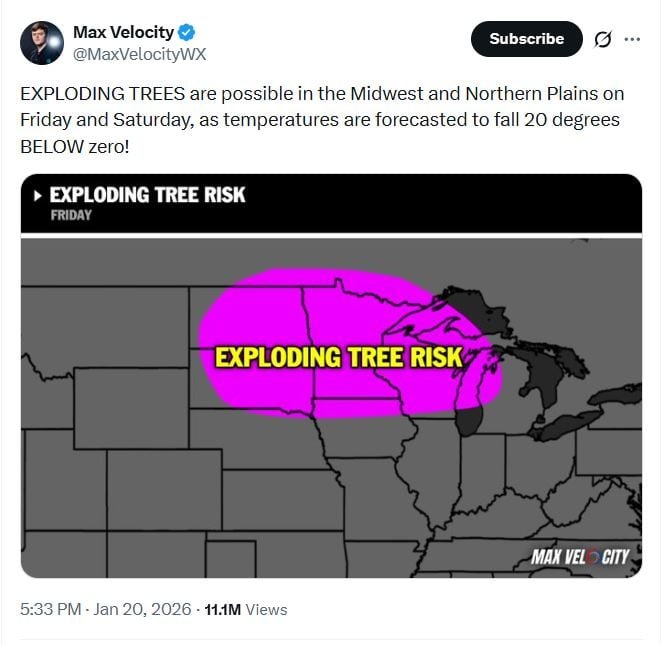
While the cold weather poses significant risks and is part of a widespread winter storm affecting nearly 30 states, the notion of trees spontaneously exploding is debunked by experts.
Minnesota’s Department of Natural Resources clarified that the risk of exploding trees due to plummeting temperatures is unfounded, reassuring residents that there is no need to avoid wooded areas.
However, extreme cold can lead to frost cracks in trees, particularly affecting thin-barked trees like those commonly found in the Prairies.
How Does This Happen?
Significant drops in temperature can cause frost cracks in trees when water and sap inside freeze rapidly, leading to vertical splits in the trunk that may sound like explosions.
According to experts, the pressure from frozen water expanding within the tree can result in splits and falling branches, though the tree itself remains unharmed and can heal during warmer weather.
Hardwood trees, especially those that shed leaves in winter or are heavily pruned, are more susceptible to frost cracks, with species like elm, poplar, maple, oak, ash, and fruit-bearing trees at higher risk.
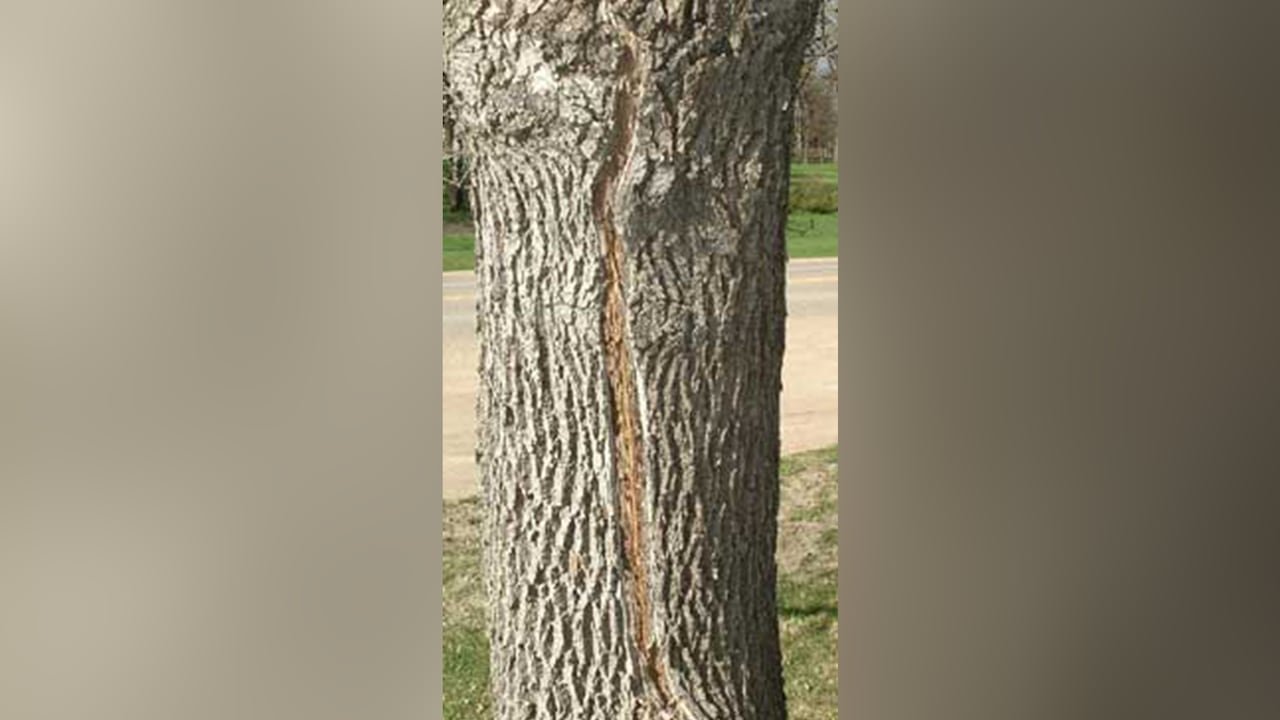
Non-native tree species are particularly vulnerable to cracking during sudden cold snaps, while native trees have adapted to withstand freezing temperatures.
Although social media may exaggerate tree damage, experts note that severe harm from extreme cold is rare, and most people may not notice until after a crack has sealed or they hear loud noises from cracking trees.
Other Cold-Related Phenomena
Aside from exploding trees, winter weather can also lead to other dramatic events like thundersnow and frost quakes.
Frost quakes occur when rapid freezing of water underground causes soil and bedrock to crack, emitting loud noises and sometimes shaking buildings, similar to an earthquake.
Thundersnow, a rare winter occurrence, happens when warm, moist air meets cooler air aloft during snowfall, creating thunder and lightning within a winter storm.