

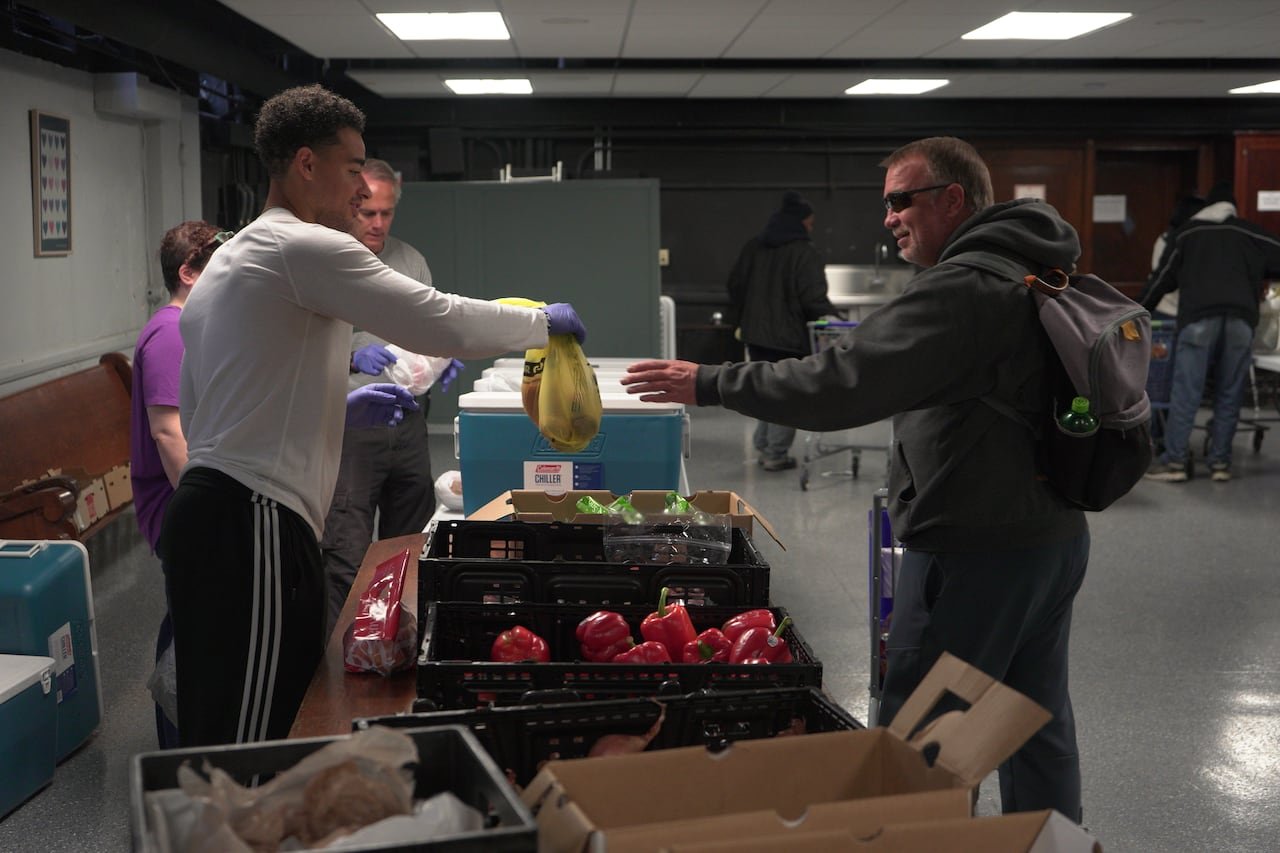
Several U.S. states caution recipients of food aid that their benefits might not be available starting Saturday if the ongoing federal government shutdown extends into its fourth week.
Notices published on approximately two dozen state websites highlight the potential for a significant benefit disruption in November for individuals relying on the Supplemental Nutrition Assistance Program (SNAP) – commonly known as food stamps – and the nearly seven million beneficiaries of the Special Supplemental Nutrition Program for Women, Infants, and Children (WIC).
The current shutdown, initiated on Oct. 1, now ranks as the second-longest in history.
Families qualifying for SNAP assistance receive monthly debit cards funded by the federal government, designated solely for purchasing groceries at authorized stores and farmers’ markets. This program supported around 41.7 million individuals with an average monthly allocation of $187, impacting approximately one in eight Americans.
In the fiscal year ending on Sept. 30, 2024, SNAP incurred a total cost exceeding $100 billion, inclusive of half of the administrative expenses covered by federal funds.
States’ Constraints in Addressing the Issue
Democratic lawmakers, including senators, representatives, and mayors, urged Agriculture Secretary Brooke Rollins to utilize a SNAP contingency fund – estimated by the Center on Budget and Policy Priorities to contain about $5 billion – to cover November benefits, representing 60% of one month’s expenses.
However, the USDA declined to access these funds on Friday, opting to reserve them for emergency situations such as natural disasters.
A notice from the department stated, “The funds have been exhausted; consequently, there will be no benefits issued starting November 01. Senate Democrats are nearing a pivotal decision.”
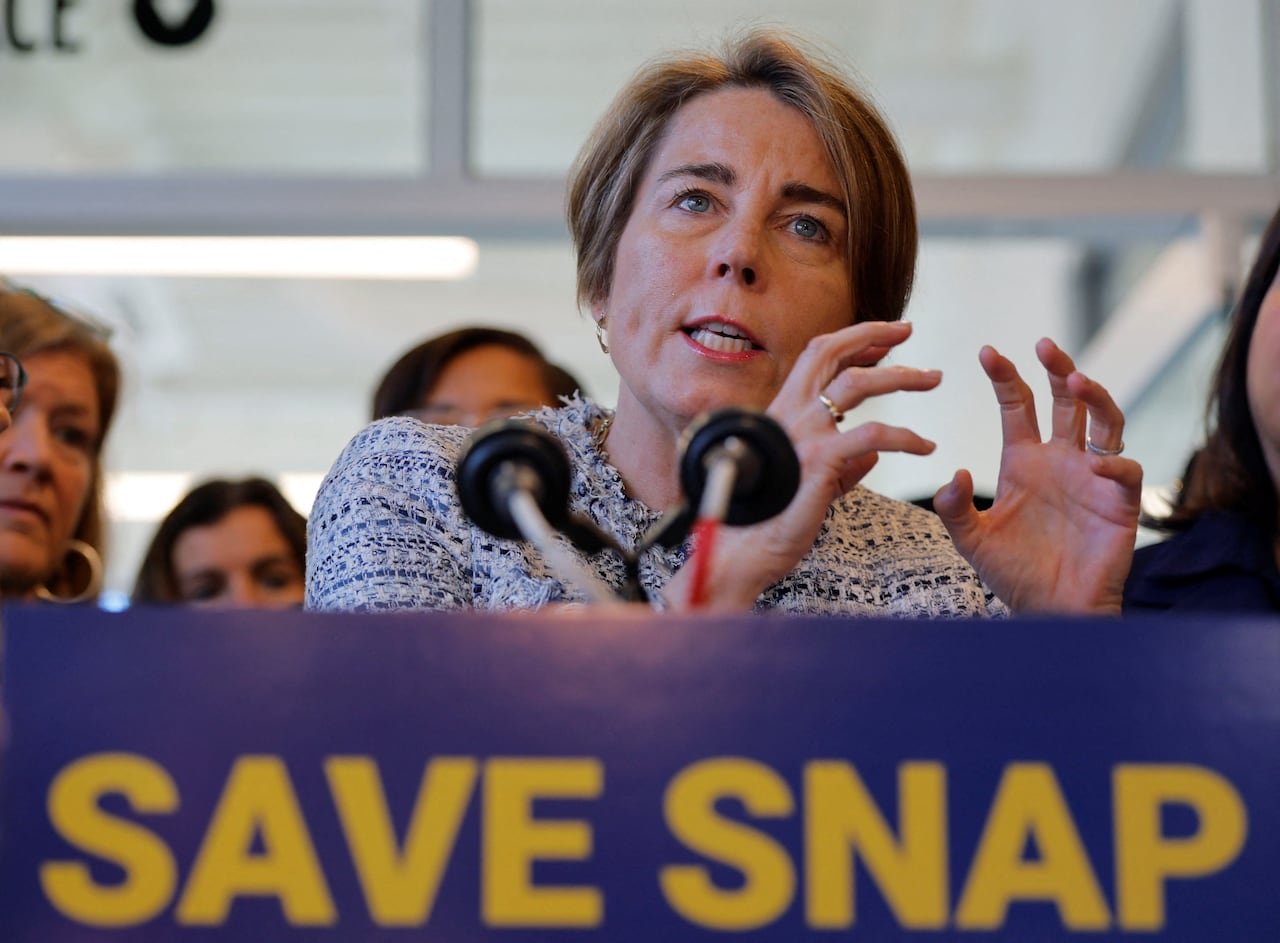
This unusual statement from a government agency reflects the political impasse, with Democrats withholding support for a spending bill until Republicans engage in discussions regarding extending Affordable Care Act subsidies, set to expire for millions by year-end.
Republicans insist on reopening the government as a precondition for negotiations, while Democratic Sen. Chris Murphy of Connecticut criticized their reluctance to engage in talks.
Murphy emphasized on CNN, “If negotiations commenced, a resolution could be swiftly reached, averting a crisis in the food stamp program and enabling the government to reopen by mid-week.”
In the absence of federal intervention, some states have taken action. California and New York pledged support for food banks, and Virginia declared a state of emergency to ensure November benefits are funded.
Conversely, some states face challenges assisting SNAP recipients. Alaska’s Health Department explored using state funds but concluded it was unfeasible due to system constraints.
The website stated, “Adapting the federal system to access state funds within the stipulated timeline poses insurmountable challenges.”