

This article is the first part of a series exploring the impact of climate change on winter sports. Stay tuned for the next part discussing actions taken by athletes and decision-makers to tackle this issue.
For over twenty years, young skiers and snowboarders have honed their skills on Whistler Blackcomb’s Horstman Glacier during summer training camps. These camps, such as Momentum Camps, have been instrumental in nurturing Olympic aspirations and fostering a passion for winter sports. Athletes like Mikaël Kingsbury, Alex Bilodeau, Cassie Sharpe, and Jennifer Heil have all benefited from the mentorship and training provided at these camps.
John Smart, a former Olympian and the founder of Momentum Camps, emphasized the importance of not only creating champions but also instilling healthy lifestyles in young athletes. However, due to rapid glacier melting, summer skiing and snowboarding on Horstman Glacier ceased in 2024, impacting both aspiring athletes and elite competitors who relied on the facility for training.
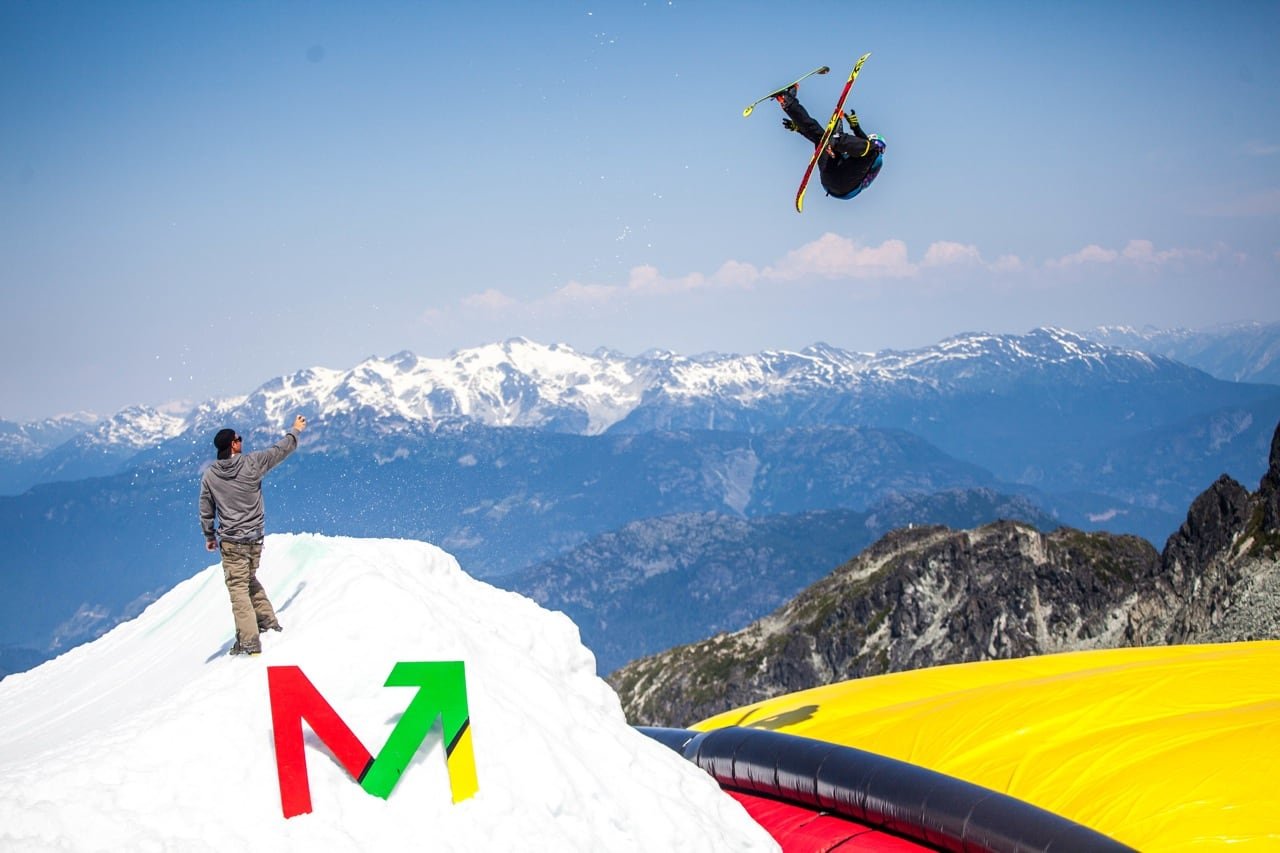
This loss has forced top athletes to seek summer training grounds in Europe, incurring additional costs and disruptions. It serves as a poignant reminder of the imminent threat posed by climate change to winter sports, with fewer locations suitable for hosting events like the Winter Olympics predicted by a 2024 study commissioned by the International Olympic Committee.
Peter Judge, CEO of Freestyle Ski Canada, highlighted the industry’s vulnerability, citing the growing uncertainties surrounding event reliability and safety due to climate change. The ongoing UN Climate Conference, COP30, is addressing such global challenges, underscoring the need for collective action.
Despite these challenges, John Smart is optimistic about reintroducing summer skiing to Whistler Mountain, albeit with a significant time and financial investment. By implementing innovative solutions like snow farming and relocating snow-making facilities higher up the glacier, there is hope for a sustainable training venue that reduces dependency on weather conditions.
Summer Skiing Discontinued for Safety Reasons
Operations at the glacier summer camps were halted following a thorough assessment that deemed the conditions on Horstman Glacier unsafe for continued operations. Vail Resorts, the company overseeing Whistler Blackcomb, acknowledged the detrimental impact of glacier melt on the snowpack, limiting terrain accessibility and compromising safety.
Vail Resorts reaffirmed its commitment to environmental stewardship, aiming to achieve a zero net operating footprint by 2030. Collaborative efforts between John Smart and the resort are exploring strategies like moving snow-making infrastructure and snow farming to revive summer skiing.
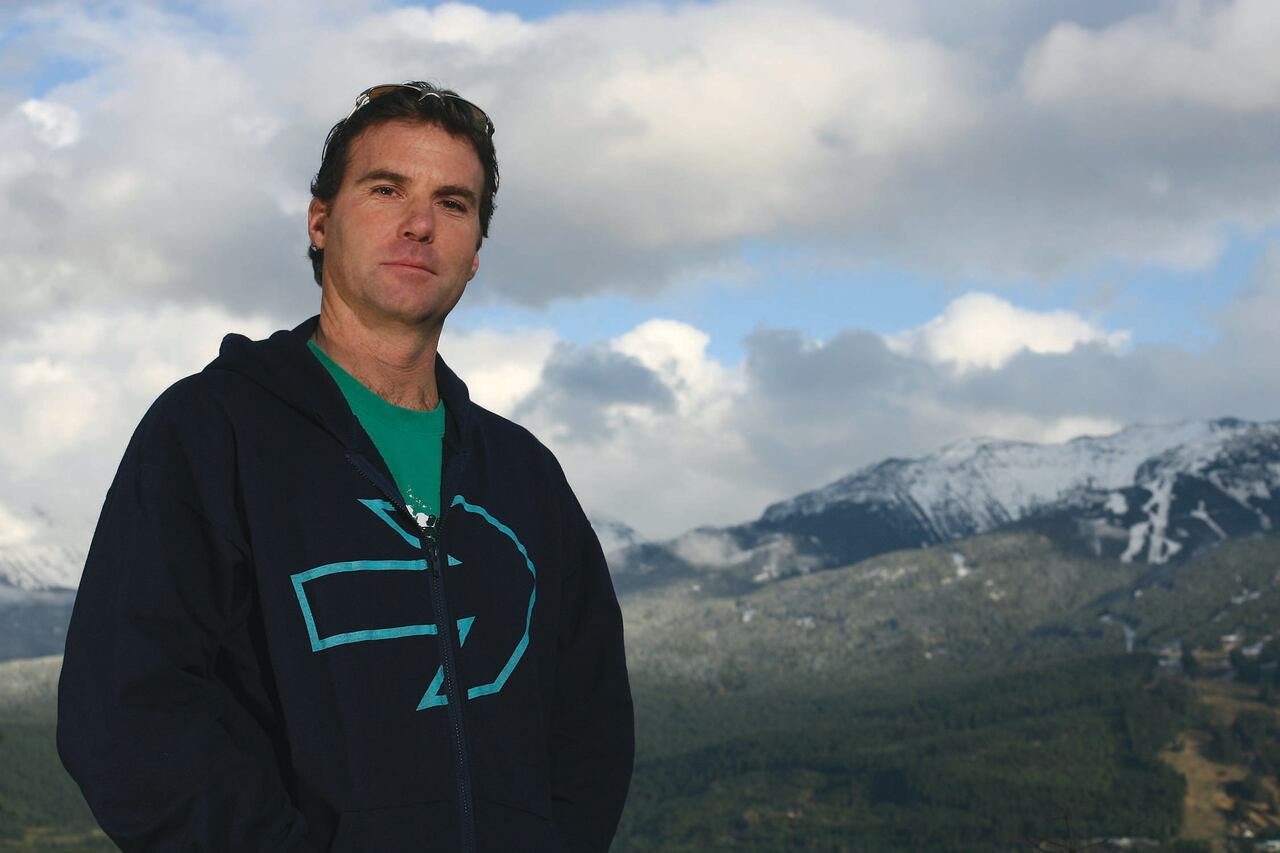
Key stakeholders like Johan Eliasch, CEO of the International Ski and Snowboard Federation, advocate for sustainable practices to preserve glaciers and mitigate climate impacts on winter sports. However, the transition to environmentally friendly solutions comes with significant financial implications, as highlighted by Peter Judge.
The challenge now lies in securing funding for the proposed initiatives to restore summer skiing at Whistler Mountain, balancing the need for snow preservation with the environmental costs associated with artificial snow production.
Federal Secretary of Sport Adam van Koeverden emphasized the importance of addressing climate change’s effects on winter sports and ensuring the sustainability of iconic Canadian venues like Whistler Blackcomb.