Indigenous groups are expressing opposition to the proposed changes to freedom-of-information (FOI) laws in Ontario, fearing that it could limit Indigenous communities’ access to information.
If the legislation is approved, the records of the premier, cabinet ministers, parliamentary assistants, and their offices would no longer be subject to FOI laws, preventing public access through FOI requests.
The Association of Iroquois and Allied Indians (AIAI), representing around 20,000 First Nations citizens in Ontario, released a statement on Monday denouncing the proposed changes.
The AIAI emphasized that provincial decisions impact Indigenous rights, lands, and environments, and FOI requests play a crucial role in understanding the decision-making process. Stacia Loft, the AIAI’s deputy grand chief, highlighted the importance of transparency in governance.
Various economic projects in Ontario, such as those in the Ring of Fire region and the planned high-speed rail between Toronto and Ottawa, could affect Indigenous communities, Loft noted, citing the Green Belt scandal as an example.
She stressed the necessity of making information related to decisions affecting Indigenous or treaty rights accessible to the public.

Reasons behind Ford’s Support for the FOI Amendment
Premier Doug Ford defended the proposed amendments on Tuesday, citing the outdated nature of the current legislation and the alignment with FOI laws in other jurisdictions.
He emphasized the need to protect personal information like communications from constituents.
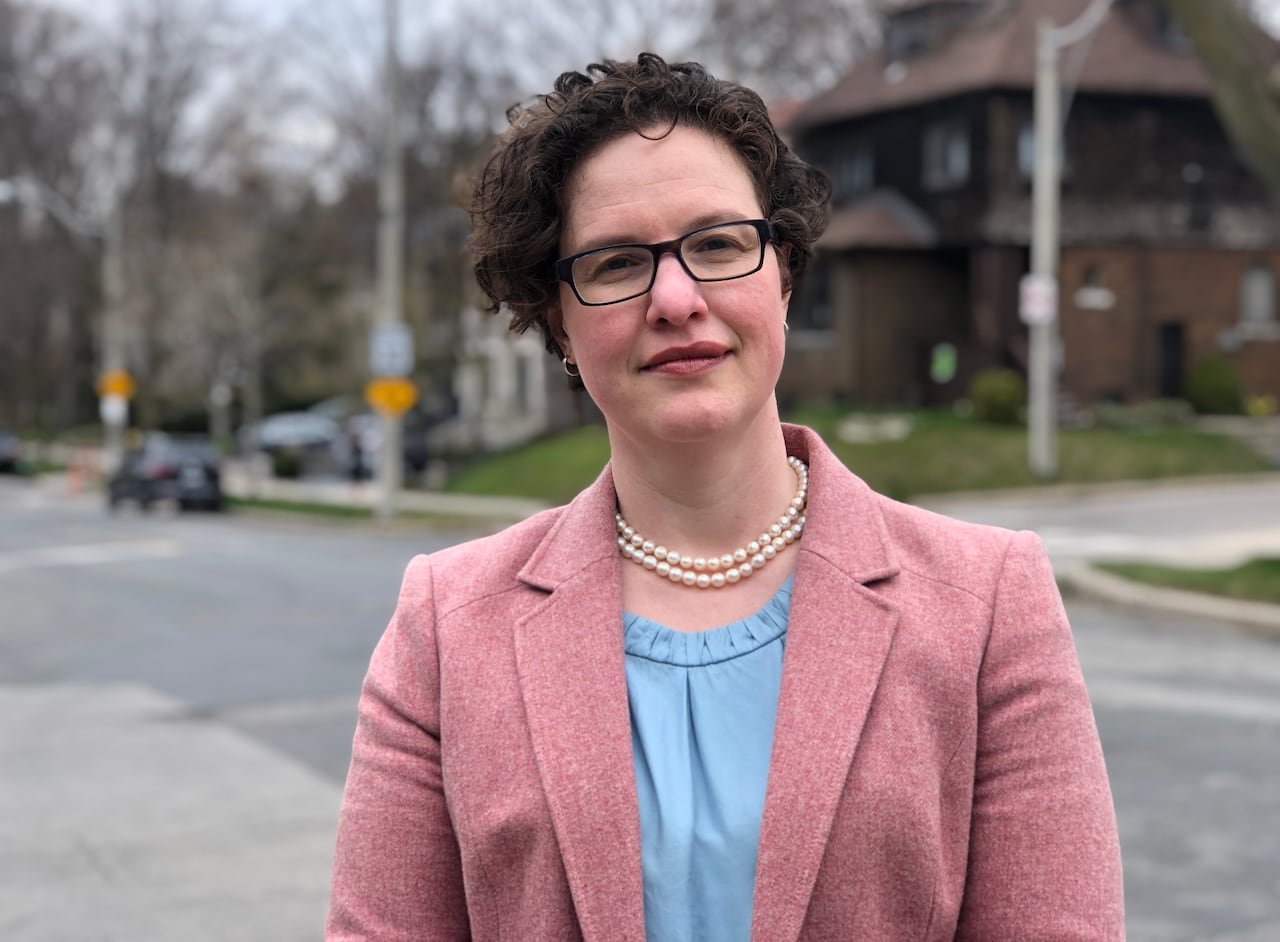
Contrary to Ford’s stance, Jessica Orkin, a Toronto-based lawyer specializing in Aboriginal and access-to-information law, argued that existing exemptions already safeguard personal data unrelated to government affairs.
Orkin suggested that the proposed changes could shield politically sensitive information from public scrutiny.
She highlighted the strained relationship between Indigenous communities and the government, underscoring the importance of FOI requests in fostering transparency and accountability.