

Following Quebec’s relaxation of restrictions on the medical abortion pill, there was a notable surge in its usage in 2025, with a nearly 80% increase compared to the previous year, as per data from the Quebec public health insurance board, RAMQ.
In 2025, 2,852 women were reimbursed for receiving Mifegymiso, up from 1,586 in 2024. This medication enables individuals to undergo abortion naturally, eliminating the necessity for a surgical procedure.
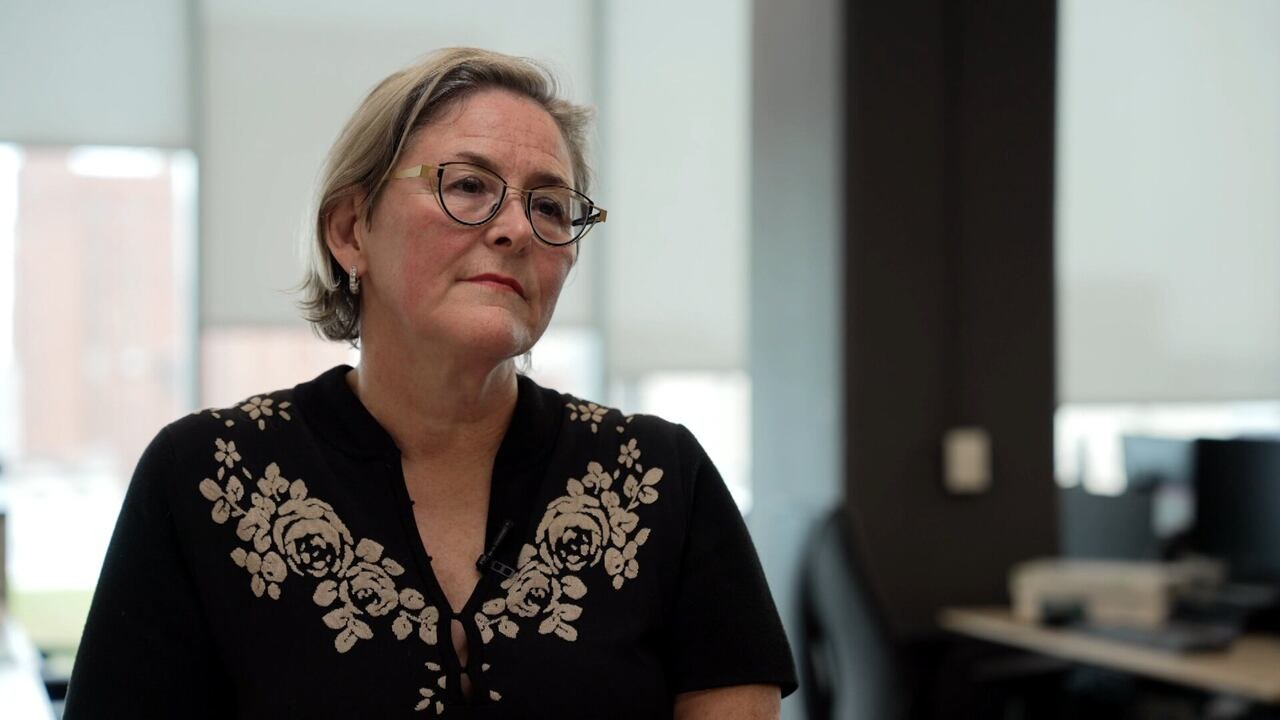
Dr. Diane Francoeur, an OBGYN and CEO of the Society of Obstetricians and Gynaecologists of Canada, remarked that Mifegymiso has been utilized globally for years. She highlighted that Canada, particularly Quebec, had been slow in adopting it due to stringent regulations.
Quebec eased several requirements for the drug in 2022, significantly enhancing its accessibility.
However, according to Francoeur, the rise in medication abortions does not necessarily indicate a surge in abortion rates overall. Experts in Quebec assert that abortion rates remain relatively stable, and the increase in the prescription of the abortion pill is positive due to its safety and ease of access.
Quebec Struggles to Keep Pace
Dr. Mathieu Bélanger, an obstetrician-gynecologist at the CHU de Québec-Université Laval hospital, expressed that it is encouraging to witness the escalating numbers, especially since Quebec is lagging behind other provinces in Canada.
Bélanger emphasized that the pill can be prescribed for home use, known for its safety and gaining popularity through word of mouth.

After Health Canada approved medication abortion in 2015, Jess Legault, the general co-ordinator of Quebec’s family planning organization (FQPN), highlighted that Quebec retained strict prescribing conditions that were swiftly abandoned in most other regions of the country.
Legault mentioned that Quebec mandated doctors to be trained for procedural abortions, such as dilation and curettage, to prescribe medical abortions, alongside a requirement for ultrasounds.
These restrictions, according to Legault, lacked scientific basis and limited the pool of eligible prescribers.
The FQPN, among other organizations, advocated for increased accessibility to the medication, particularly after the U.S. overturned Roe v. Wade.
-
Trump’s re-election prompts Quebec to advocate for upholding women’s right to choose
- <a class="cardWrapper-u5T0r cardWrapper-_487P noPaddingCardWrapper" data-feature-instance="similar-link" data-feature-name="link" data-contentid="1.7386090" aria-hidden="false" data-cy="type-link" href="