

Every month, opposition politician Boris Nadezhdin embarks on a journey across various Russian regions, equipped with two mobile phones. One phone holds the official Max app, promoted as a vital communication tool by Russia, while the other phone carries personal communication apps and a VPN to bypass internet restrictions in the country.
Nadezhdin, speaking from Dolgoprudny near Moscow, highlighted the challenges faced by him and his peers regarding internet and mobile communication issues in Russia.
The introduction of Max, owned by Russian media company VK, forms part of the Kremlin’s strategy to exert control over the digital realm by limiting access to foreign platforms through censorship or throttling.
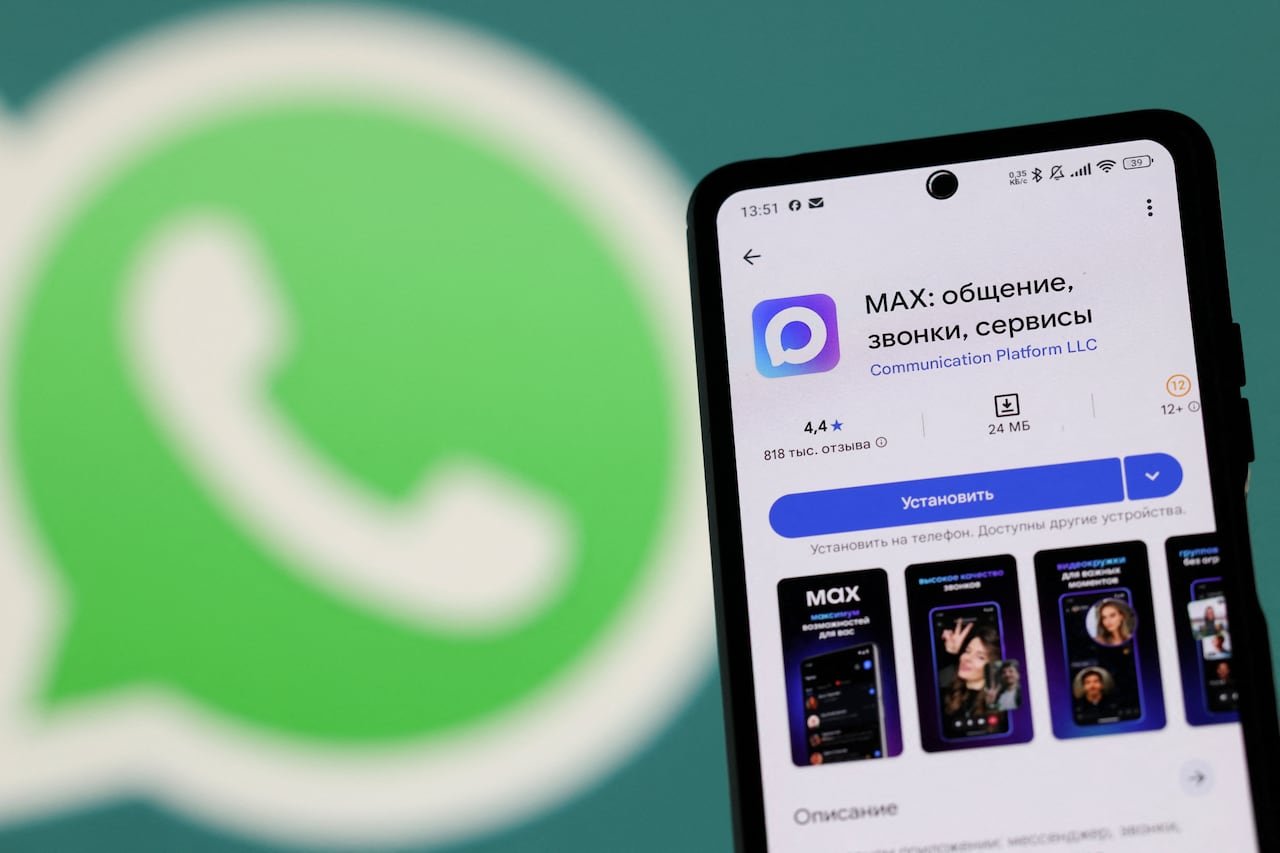
Introduction of Max App
Originally launched as a beta version in the spring, the Max app now comes pre-installed on new phones sold in Russia. The platform, endorsed by celebrities and influencers, offers messaging and access to government services, drawing parallels to China’s WeChat, known for state-sponsored censorship.
In 2019, Russia implemented the sovereign internet law, granting the government authority to isolate the country’s internet and disconnect it from the global web, a move aimed at bolstering digital control.
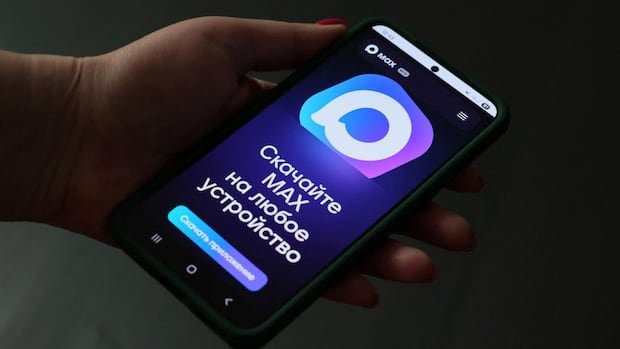
Russia has reshaped its internet landscape, establishing RUnet and implementing stringent cyber regulations to restrict popular platforms like YouTube and impede VPN usage, hindering users from bypassing government-imposed barriers.
Government-mandated internet disruptions in various regions have hindered residents’ online access, justified by national security concerns linked to Ukrainian drone threats targeting Russian facilities.
Nadezhdin expressed concerns over the blanket internet blockages imposed as a solution to security challenges, emphasizing the need for more nuanced approaches.
Crackdown on ‘Extremist’ Content
Nadezehin, prevented from running against Putin last year, criticized a recent law penalizing individuals for searching online content labeled as “extremist” by Russia. The law also targets VPN users accessing such content, with over 5,000 materials falling under this category.
While VPN usage remains legal in Russia, the government’s escalating efforts to block over 250 VPN variants have complicated circumvention practices.