

Jonathan Meads’ future high-rise project in Surrey, B.C., quickly met its condo presale targets last year, allowing the developer to proceed with construction.
Meads mentioned that hitting the presale requirement within four months was essential, as developers typically need to sell around 60 percent of their units to secure financing for construction. He highlighted that their project was among the last three high-rise towers in Metro Vancouver to achieve this milestone last year.
While the construction is progressing steadily, sales have dwindled, leading Meads and other builders in B.C. to reconsider moving forward with new projects.
According to Meads, the lack of confidence among first-time buyers and investors is a common trend among their competitors, resulting in a significant drop in sales activity.
As the City of Surrey aims to create 13,000 housing units by 2026 to meet the demands of its growing population, city officials have observed a decrease in high-density condo development applications being processed.
This decline coincides with approximately 2,500 unsold and vacant condos across Metro Vancouver, as reported by the Canada Mortgage and Housing Corporation (CMHC).
Ron Gill, Surrey’s planning and development general manager, mentioned that larger projects are experiencing slowdowns, with a notable decrease in building permits issued compared to the previous year.
StreetSide’s development project, Juno, has pre-sold over 60 percent of its units and is currently on hold due to the market downturn, according to company vice-president Jonathan Meads.
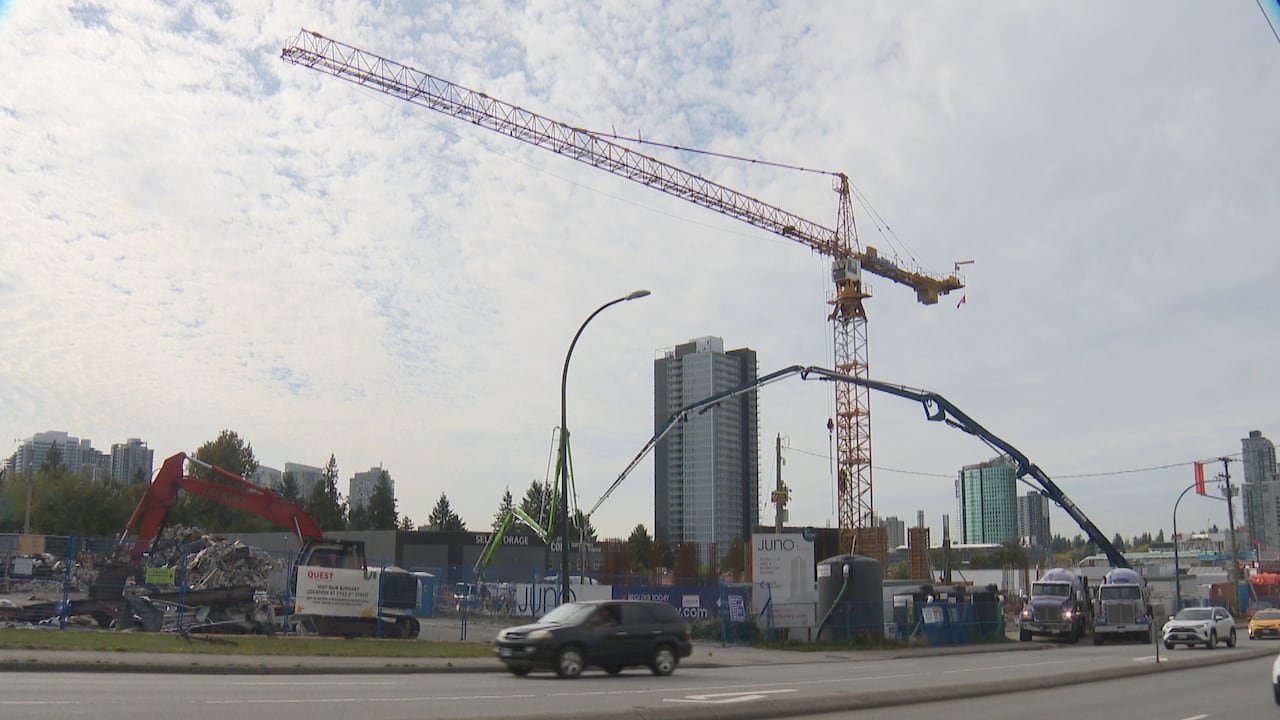
Meads emphasized the challenges posed by current market conditions, including high construction costs, development fees, and economic uncertainties, making it difficult to offer affordable housing options.
Due to these challenges, StreetSide has halted a 1,000-unit multi-building development in north Surrey that was projected to span a decade for completion.
Developers, including Meads, suggest that local governments could assist in reducing the cost burden on new developments by minimizing upfront fees.
Development cost charges
Development cost charges (DCCs) and community amenity charges (CACs) are fees that developers in B.C. pay to municipal and regional governments when initiating new projects to support community infrastructure and services.
The Homebuilders Association of Vancouver (HAVAN) notes that these charges can contribute up to 25 to 30 percent of a unit’s total cost.
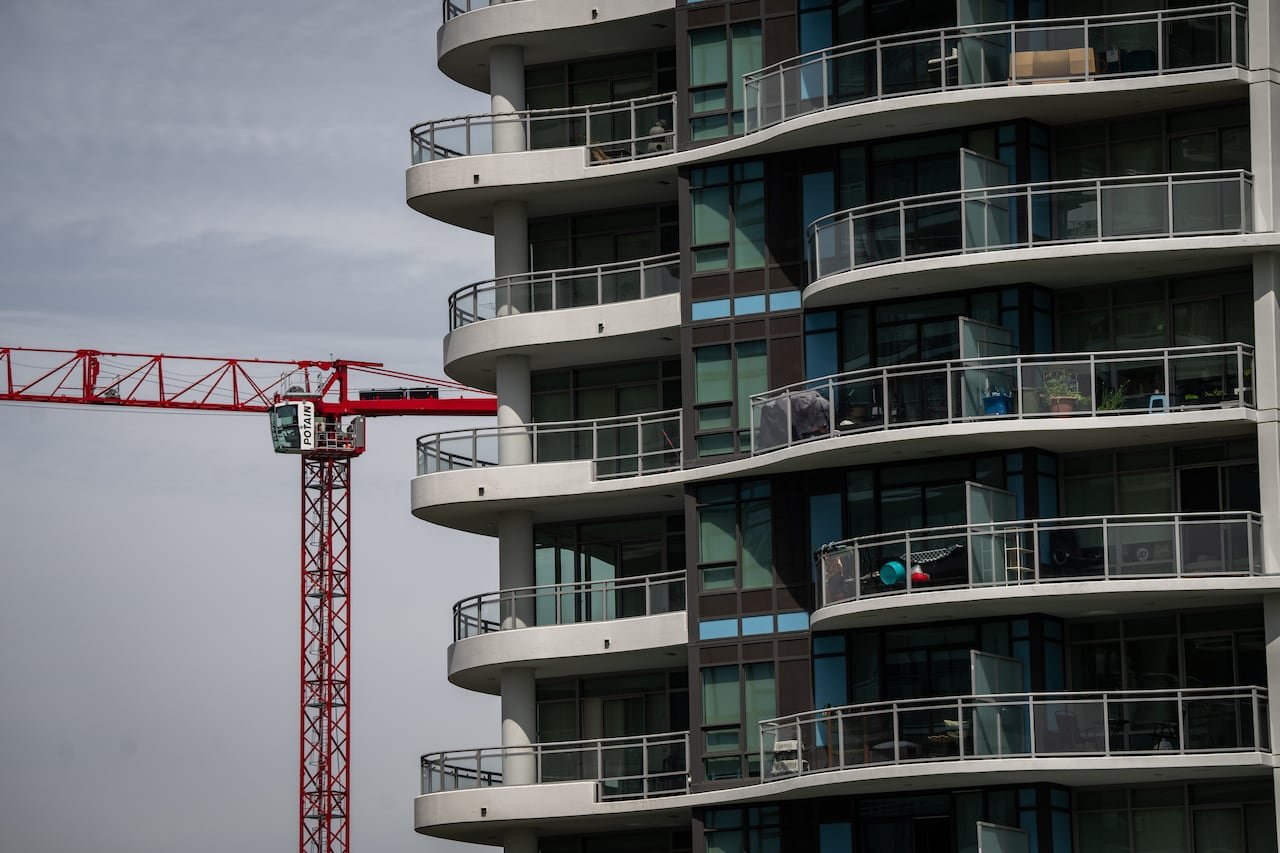
According to Meads, for a typical condo unit priced at $600,000, these fees passed on to buyers could range from $60,000