

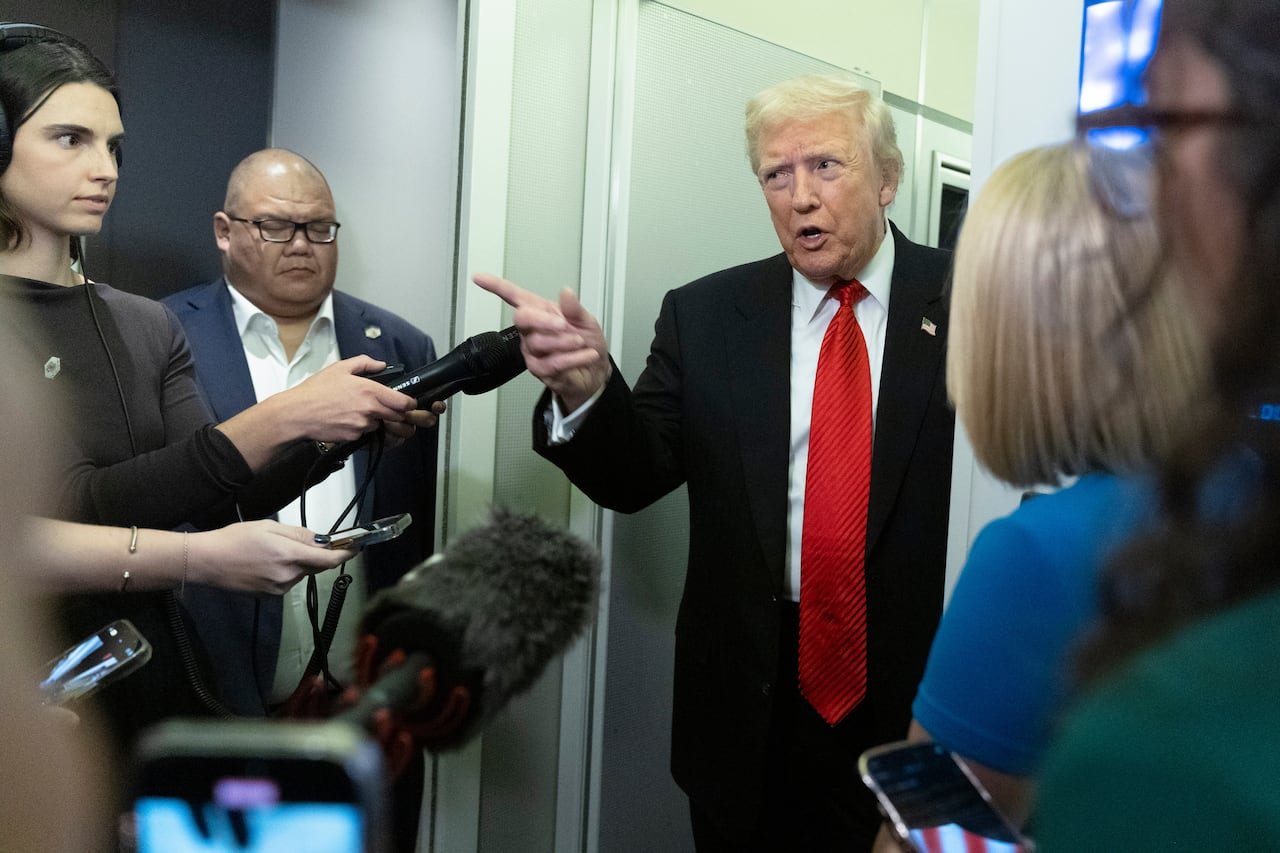
President Donald Trump’s recent remarks threatening action in Nigeria due to what he perceives as persecution of Christians are drawing criticism in the West African country. Trump took to social media over the weekend, asserting that Christianity is under serious threat in Nigeria, with thousands of Christians being killed by radical Islamists. He followed up with a post indicating his directive to the Pentagon to prepare for potential military intervention in Nigeria.
Amnesty International, a global NGO monitoring human rights violations, including religious freedoms, describes the ongoing violence in northern Nigeria as severe crimes but stops short of labeling it as religious persecution. Isa Sunusi, the executive director of Amnesty International’s Nigeria program, stated that there is no evidence to suggest a religious motive behind the attacks, casting doubt on Trump’s claims and suggesting a lack of comprehensive briefing on the situation.
Jihadist Groups Target Muslims and Christians Alike: Sunusi
Sunusi highlighted that Nigeria is plagued by jihadist groups that do not differentiate between Muslims and Christians, carrying out attacks on mosques and churches indiscriminately. Boko Haram, a prominent group known for its insurgency in northeastern Nigeria since 2009, has caused widespread casualties and displacements. The organization operates on a strict interpretation of Islam, targeting Muslims collaborating with the Nigerian government or civil society.
According to data from the Armed Conflict Location & Event Data, a U.S.-based research group, political assassinations in Nigeria have claimed the lives of 52,915 civilians since 2009, with a notable number of attacks specifically targeting Christians and Muslims in recent years.
Nigeria, with a population of around 230 million, has a religiously diverse demographic, comprising approximately 54% Muslims and 46% Christians, as per CIA statistics.
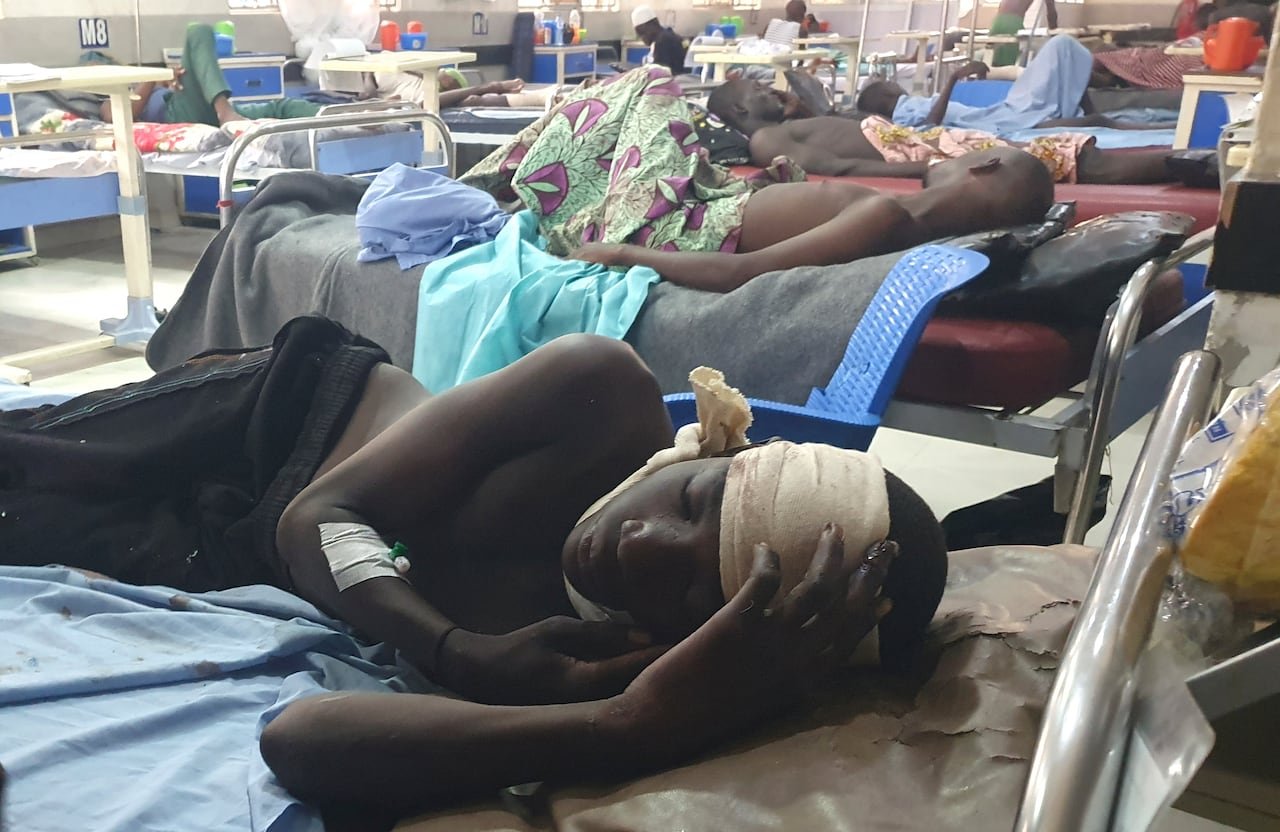
While conflicts in northern Nigeria have been portrayed as religious strife, researchers suggest underlying issues related to land and resource disputes are significant factors contributing to the violence.
Trump’s statements on Nigeria emerged following a Fox News report on the situation, sparking backlash and renewed attention to the complexities of the conflict. Nigerian President Bola Ahmed Tinubu has refuted claims of religious intolerance in the country, emphasizing efforts to address security challenges affecting all faiths and regions.
White House Stance Reinforced by Leavitt
White House press secretary Karoline Leavitt reiterated Trump’s position on the Nigerian crisis, warning of potential consequences if the violence against Christians continues unabated. The U.S. government has designated Nigeria among nations with severe violations of religious freedom, joining countries like China, Cuba, Iran, North Korea, Russia, and Saudi Arabia.
Republican lawmakers and evangelical groups have pushed for this designation, with Senator Ted Cruz commending Trump for taking action to combat Christian persecution in Nigeria.